AMD still sells two live platforms, and both can anchor a good gaming PC. AM4 is the mature, budget-friendly socket; AM5 is the modern one with DDR5, PCIe 5.0, and a long upgrade runway. Choosing between them comes down to your budget today versus your appetite for future upgrades, and there is no single right answer for everyone.
As an Amazon Associate we earn from qualifying purchases at no extra cost to you.




Our Top Picks
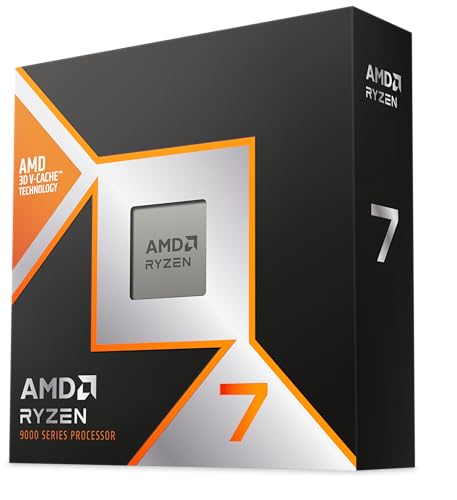

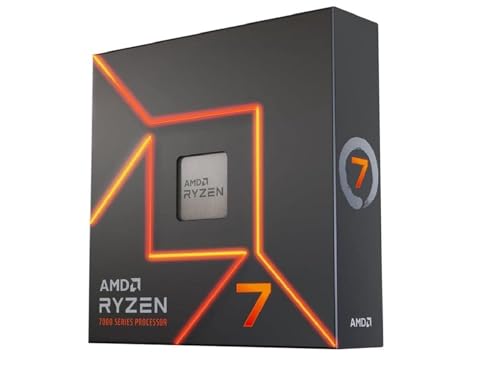

Top 3 picks at a glance
The core trade-off
AM4 hardware is cheap because it has been around for years, using more affordable DDR4 memory and mature boards. AM5 costs more up front but supports the latest CPUs, DDR5, and PCIe 5.0, and AMD has committed to supporting the socket for years, meaning you can drop in future chips without a new motherboard. That longevity is AM5’s headline feature and the main reason to pay the premium.
Platform comparison
| Feature | AM4 | AM5 |
|---|---|---|
| Memory | DDR4 (cheaper) | DDR5 (faster, pricier) |
| PCIe | Up to 4.0 | 5.0 |
| Upgrade path | Mostly ended | Long, multi-generation |
| Entry cost | Low | Higher |
| Best for | Value builds now | Future-proofing |
When AM4 still makes sense
If you are building to a tight budget and want maximum gaming performance per dollar today, AM4 remains compelling. A capable six- or eight-core AM4 chip with DDR4 and a strong GPU still runs modern games beautifully at 1080p and 1440p, and the savings on the platform can go toward a better graphics card, which matters more for frame rate. For a build you do not plan to upgrade piece by piece, AM4 stretches a budget further.
When to choose AM5
Pick AM5 if you plan to keep the machine for many years and upgrade the CPU later, or if you want DDR5 and PCIe 5.0 for the newest components. Because the socket has a long support commitment, an AM5 board bought now can host a much faster future processor with only a BIOS update, spreading the higher entry cost across several upgrades.
Think about the whole system, not just the socket
The socket choice ripples through the rest of the build. AM5 requires DDR5, so even if the CPU price looks close, you are committing to newer memory and, often, pricier boards. AM4 lets you reuse existing DDR4 if you are upgrading from an older AMD system, which can make it dramatically cheaper in practice. Cooler compatibility is broadly similar across both, so that rarely tips the decision. The honest way to compare is to build two complete part lists at your budget, one on each platform, and see which leaves more money for the graphics card. Nine times out of ten, if you are not planning future CPU swaps, the AM4 list frees up enough to buy a meaningfully faster GPU, and that GPU raises your frame rate more than the newer platform would.
FAQ
Is AM4 obsolete for a new build?
Not for value builds. AM4’s upgrade path has largely ended, but current AM4 chips still game very well and cost less overall. It is a smart choice when your priority is the best performance now for the money, not future CPU swaps.
Will DDR5 on AM5 noticeably improve my games?
Sometimes, especially in CPU-bound titles and minimum frame rates, but the difference is usually modest at higher resolutions. The bigger reason to choose AM5 is the platform’s longevity and modern features, not a large day-one gaming jump over a well-configured AM4 system.
Bottom line
Choose AM4 to maximize gaming value today and put the savings into your GPU; choose AM5 to buy into DDR5, PCIe 5.0, and a socket that will accept future CPUs for years. Build two full part lists to compare real total cost. If this is a budget build you will not upgrade piecemeal, AM4 delivers. If you want a platform that grows with you, AM5’s longevity justifies the higher entry price.