A waterproof camera is bought for the moments when a phone would be a liability: a pool day with kids, a snorkeling trip, a kayak launch, a muddy trail, a ski slope. The keyword sounds simple, yet the listings mix three quite different tools. There are rugged compacts with a real depth rating and a sealed design, budget “underwater” cameras with huge resolution numbers and dual screens, and a true action camera that records video in a small housing. What you plan to do in the water decides which one belongs in your bag.
This guide is for vacationers, families, and outdoor hobbyists in 2026 who want a camera that survives splashes and shallow dives. It compares the six distinct models in the original list; the Kodak WPZ2 appeared in three colors, so it is counted once. Pay attention to the stated depth, the battery and charging port, and whether the camera is built for photos, video, or both. Then read the choosing section to avoid the most common beginner mistakes around seals and saltwater.
Our Top Picks
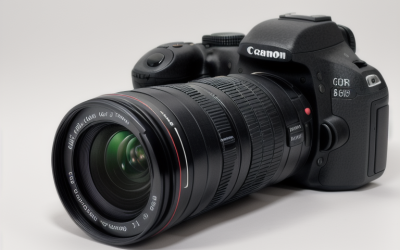
 KODAK PIXPRO WPZ2 16MP Waterproof Digital Camera4.06 x 2.06 x 2.62 inches2.06 x 4.06 x 2.62 inches0.4 PoundsCheck on Amazon
 AKASO EK7000 4K30FPS 20MP WiFi Action Camera withcompact0.9 x 2 x 1.5 inches0.1 PoundsCheck on Amazon

Top 3 picks at a glance
Quick Picks
As an Amazon Associate we earn from qualifying purchases at no extra cost to you.




| Product | Best for | Key spec from the title |
|---|---|---|
| KODAK PIXPRO WPZ2 | Family pool and beach days | 16MP, 15m waterproof, 4X zoom, Wi-Fi sharing |
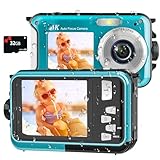
| 4K Underwater Camera (16FT) | Casual shallow-water snapshots | 4K, 64MP, dual screen, floatable, Type-C |
| KODAK PIXPRO P1 | Rugged selfies and light vlogging | 13MP, waterproof, shockproof, dustproof, 180-degree tilt screen |
| AKASO EK7000 | Action video in the water | 4K30FPS, 20MP, 131FT waterproof, EIS |
| 8K Underwater Camera (33FT) | Feature-packed budget dives | 70MP, 33FT, dual screen, fill light, 2500mAh |
| OM SYSTEM Tough TG-7 | Serious underwater and macro work | Waterproof, freeze proof, 4K video, 44x macro |
How to Choose
Depth rating and real-world use
Depth numbers vary widely: 16FT, 33FT, 15m, and 131FT all appear in these titles. A rating around 10 to 15 meters covers snorkeling and pool play; deeper numbers matter for scuba, and in many cases they require an included housing. Treat the figure as a ceiling, not a target, and check whether it refers to the camera alone or to a case. Also note that ratings assume closed doors and clean seals. A single grain of sand or a stray hair on the rubber gasket is a common cause of leaks, so inspect the seal each time you close the compartment and keep a small cloth in your bag for quick wipes.
Photo-first camera or action camera
A compact like the WPZ2 or TG-7 has a zoom lens and shoots stills with a viewfinder-style screen. An action camera like the AKASO EK7000 emphasizes video with stabilization and a wide lens. Pick a compact if you want to frame photos of people, marine life, or macro subjects; pick an action camera for POV clips while swimming, biking, or paddling.
Battery, charging, and storage
A removable or USB-C rechargeable battery is easy to top up in a hotel room. Capacities such as 1250mAh or 2500mAh matter because cold water and bright screens drain batteries faster. Bundled memory cards are convenient, but a name-brand card is worth buying for reliability. After saltwater use, rinse the camera with fresh water, dry it, and only then open the battery door.
Where budgets cut corners and what to ignore
Very low-priced cameras advertising 8K, 70MP, or 18X often rely on small sensors and digital zoom, which do not deliver true high-end detail. Rugged brands such as Kodak PIXPRO and OM SYSTEM tend to be more modest on the spec sheet but come with clearer water-resistance claims. Ignore the megapixel race, and instead check the seal design, screen readability in sunlight, and whether the lens is protected from scratches. Buyers should also weigh the cost of replacing a camera lost at sea: a cheaper model with a wrist strap and a float can be a smarter choice for a rough vacation than an expensive one you hesitate to take into the surf.
The 6 Best Options
KODAK PIXPRO WPZ2
The WPZ2 is a 16MP waterproof compact with a 15m rating, 4X zoom, a 27mm wide-angle lens, a 2.7-inch LCD, 1080p Full HD video, Wi-Fi sharing, and shockproof construction. It is available in yellow, blue, and red, and it suits families who want a camera kids can carry to the pool without worry. Grandparents and first-time buyers also like it because the layout is the familiar point-and-shoot kind, with a zoom lever and a screen, rather than a tiny box that needs an app and a case before it can take a picture.
- Strength: a 15m rating covers pools, snorkeling, and splashy vacations.
- Strength: Wi-Fi sharing makes it easy to move photos to a phone.
- Trade-off: 1080p video and a small screen are modest next to 4K models.
Skip it if you want 4K video or a tilting selfie screen.
4K Underwater Camera (16FT)
This budget camera lists 4K video, 64MP stills, a dual-screen design, autofocus, a floatable compact body, a 32GB card, a 1250mAh battery, and a Type-C charging port. The 16FT rating is for shallow water, such as pool play and wading. A parent supervising kids in a shallow lake or a traveler who wants snapshots from a resort pool would use it casually, and the floating body offers a small safety net if it escapes from wet fingers.
- Strength: a floatable body is useful if it slips from your hand in a lake.
- Strength: Type-C charging fits modern cables.
- Trade-off: the shallow rating and high resolution label mean you should keep expectations modest.
Skip it if you plan to dive deeper or want a recognized brand.
KODAK PIXPRO P1
The P1 is a 13MP camera advertised as waterproof, shockproof, and dustproof, with a 180-degree tilt screen for selfies and vlogging and a 3-color ring feature named in the title. It is aimed at casual adventurers who want a rugged camera that doubles as a selfie tool. Camping trips, river tubing, and beach days with sand and sunscreen are exactly the sort of conditions its dust and shock claims are meant for, and the flip-up screen keeps group shots easy to frame.
- Strength: the tilt screen helps with selfies and vlogs.
- Strength: a rugged build suits beaches, hikes, and kids.
- Trade-off: the title gives no depth figure, so verify the rating.
Skip it if you need a clearly stated dive depth.
AKASO EK7000
The EK7000 is a Wi-Fi action camera with 4K30FPS video, 20MP stills, electronic image stabilization, a 131FT waterproof rating, remote control, 4X zoom, and external microphone support. It is the best fit for POV video while swimming, snorkeling, biking, or paddling. Because it is a small body with a wide lens, it can be clipped to a helmet or a handlebar mount, which is how most people use this style of camera on a vacation.
- Strength: electronic stabilization helps smooth rough, moving footage.
- Strength: a remote and microphone support add flexibility for vlogging.
- Trade-off: action cameras at this depth rating often depend on a case, so confirm what the rating covers.
Skip it if you want a point-and-shoot with an optical zoom lens.
8K Underwater Camera (33FT)
This feature-packed budget camera lists 8K video, 70MP stills, a 33FT rating, Wi-Fi, a 32GB card, a dual-screen selfie design, floatable body, autofocus, fill light, a 2500mAh battery, and 18X zoom. It aims at users who want a long feature list for snorkeling and pool trips. Impulse buyers like the long feature list, but experienced shooters will want to read the fine print on the depth rating, the warranty, and the return policy before depending on it for a once-in-a-lifetime trip.
- Strength: a 2500mAh battery offers more runtime than smaller packs.
- Strength: a fill light helps with closer underwater shots.
- Trade-off: marketing numbers like 8K and 70MP should be viewed with caution.
Skip it if you prefer a rugged brand with clear servicing and support.
OM SYSTEM Tough TG-7
The TG-7 in red is the successor to a well-known Olympus Tough line, built to be waterproof and freeze proof with bright optics, 4K video, and 44x macro shooting. It is the premium option here, meant for snorkelers and divers who care about close-up marine life. The brightness and macro claims in the title also make it appealing for hikers photographing insects and flowers, and for travelers who want a camera that tolerates rain, cold, and the occasional drop on rocks.
- Strength: macro capability suits small subjects like coral and insects.
- Strength: freeze-proof construction extends use to cold-weather trips.
- Trade-off: it sits at a higher budget tier than the other cameras.
Skip it if you only need basic pool snapshots.
Which One Fits Your Situation
You want a simple camera for family pool and beach days
The KODAK PIXPRO WPZ2 offers a 15m rating, easy sharing, and color choices that make it easy to spot.
You want video of swimming or paddling
The AKASO EK7000 provides 4K, stabilization, and a remote for hands-free filming. Mount it on a pole, helmet, or chest strap and let it record the whole outing while you focus on the activity.
You photograph marine life
The OM SYSTEM Tough TG-7 stands out with its macro mode and rugged build. Pair it with a floating strap and a spare battery for a day of repeated dips, and rinse it in fresh water before storing it away.
You are on a tight budget and stay in shallow water
The 4K Underwater Camera (16FT) or the 8K Underwater Camera (33FT) are low-cost choices, as long as you accept lower certainty about image quality. They make sense as a rental-trip camera or a kid’s first splash-proof gadget, where an occasional loss will not sting.
Common Mistakes
- Opening the battery door with wet hands or sand on the seal.
- Assuming the depth rating also covers hot tubs or very cold water.
- Skipping a fresh-water rinse after saltwater use.
- Believing 8K or 70MP labels guarantee sharper photos.
- Forgetting a wrist strap or float, then losing the camera in deep water.
Related guides
- Windows Macos Linux Gaming Performance Comparison Strengths Weaknesses
- Desktop Operating Systems Gaming Performance Strengths Weaknesses
- 5G Home Internet Wifi Modem Settings Low Latency Gaming
Frequently Asked Questions
Is waterproof the same as shockproof?
No. Waterproof refers to water resistance, while shockproof refers to drop tolerance. Some listings claim both, so read the specs. Also look for dust resistance and freeze resistance if you plan to use the camera in sandy or cold places, because those are separate ratings.
Can I use these cameras for scuba diving?
Only if the stated depth and housing support it. Most budget cameras are for snorkeling and shallow swimming.
Do I need a case?
Some action cameras need a waterproof case for their top depth rating. Compacts like the WPZ2 are waterproof on their own.
Why does my photo look blurry underwater?
Water scatters light and shrinks visibility, so get closer to your subject, shoot in daylight, and keep the lens clean. Fingerprints and water spots on the lens glass cause more haze than most people expect, so wipe it with a soft cloth before each dive or swim.