Monitor spec sheets love to advertise “1 ms,” but that single number hides two very different measurements: GtG and MPRT. They describe different things, and a monitor can be great on one while mediocre on the other. Knowing the difference stops you from buying on marketing alone and helps you predict real motion clarity.
As an Amazon Associate we earn from qualifying purchases at no extra cost to you.
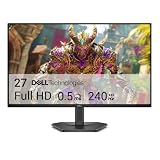


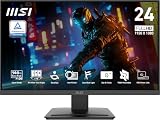
Our Top Picks


Top 3 picks at a glance
What each number measures
GtG (gray-to-gray)
GtG measures how long a pixel takes to change from one shade of gray to another, in milliseconds. It reflects the actual physical speed of the liquid crystal. Lower is better, and it directly relates to ghosting: a slow GtG leaves trails. Fast IPS panels sit around 1-3 ms GtG; VA panels are slower on dark transitions.
MPRT (moving picture response time)
MPRT measures perceived motion blur, essentially how long a frame is visible to your eye. It is tied to refresh rate and sample-and-hold behavior, not just pixel speed. You can lower MPRT dramatically with backlight strobing, but that reduces brightness and cannot be combined with variable refresh rate on most monitors.
| Spec | Measures | Lower helps with | How it is improved |
|---|---|---|---|
| GtG | Pixel transition speed | Ghosting / trailing | Faster panel, overdrive |
| MPRT | Perceived motion blur | Overall blur | Higher Hz, backlight strobing |
Why “1 ms” can be misleading
A monitor might claim 1 ms MPRT only when a strobing mode is enabled, while its real GtG is 4-5 ms. In normal use you would see more blur than the headline suggests. Conversely, a genuine 1 ms GtG panel still has sample-and-hold blur at 60 Hz because each frame lingers 16.7 ms. Both numbers matter, and neither tells the whole story alone.
What to prioritize
For competitive shooters, prioritize a high refresh rate plus a fast, well-tuned GtG; consider strobing for practice. For mixed use and single-player games with VRR, a strong GtG and high refresh rate matter more than an MPRT figure you may never enable. Independent panel reviews that measure real GtG averages and overshoot are far more reliable than the box number.
How the numbers are really measured
Manufacturer figures are best-case cherry-picks; independent reviewers measure the full picture, and their data is what you should trust when comparing panels. Knowing how they test helps you read a review correctly.
GtG averages and overshoot
Reviewers measure many transitions across the full range of shades, not just the single fastest one, then report an average GtG. They also report overshoot, the percentage by which overdrive pushes past the target shade and causes halos. A panel with a 3 ms average and low overshoot will look cleaner than one claiming 1 ms with heavy overshoot.
MPRT and perceived blur
Perceived blur is tied to how long each frame persists, so at 60 Hz a frame lingers 16.7 ms and blur is high regardless of pixel speed. Doubling refresh to 120 Hz roughly halves that persistence blur. Backlight strobing cuts it further by only lighting the panel briefly, which is why a strobed 120 Hz mode can post an MPRT figure far below its native GtG.
Matching the spec to your use
For a mixed-use monitor with variable refresh, prioritize a strong measured GtG average and a high refresh rate. For pure competitive practice where you can lock a high frame rate, a good strobing mode with low MPRT is a genuine bonus.
FAQ
Can I have both low GtG and low MPRT at once?
Partly. A fast panel at a high refresh rate gives low GtG and moderately low MPRT together. Getting MPRT very low usually requires backlight strobing, which typically cannot run at the same time as variable refresh rate and lowers brightness, so you choose one experience or the other.
Does GtG or MPRT matter more for esports?
Both feed clarity, but a high refresh rate paired with a fast GtG is the practical priority. Strobing (low MPRT) can sharpen motion further for aim practice, at the cost of brightness and VRR, so many players toggle it only for specific titles.
Bottom line: GtG is pixel speed and fights ghosting; MPRT is perceived blur and is lowered mainly by high refresh rates and backlight strobing. A single “1 ms” claim rarely covers both, so read independent measurements and match the panel to how you play.