
Our Top Picks
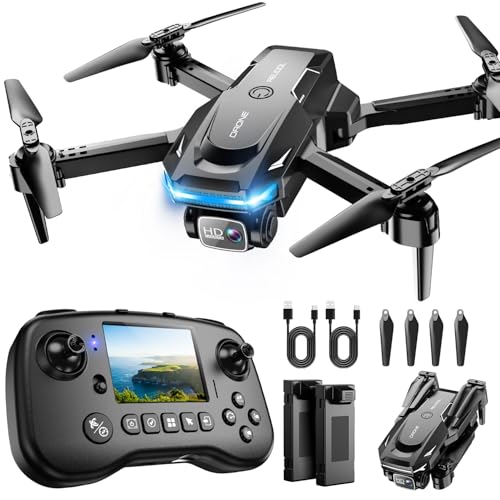

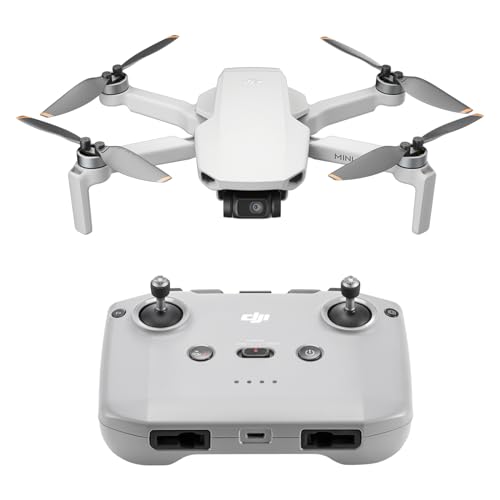

Top 3 picks at a glance

Best Camera Drones for Photos and Video
The best camera drone for most travelers is the DJI Mini 4 Pro: it combines a capable 4K camera, obstacle sensing in every direction, a compact sub-250-gram design, and flexible controller options. For a larger sensor and more polished footage, choose the DJI Air 3S; for a lower-cost hobby drone, consider the DJI Mini 3. The right choice depends less on headline resolution than on how you balance image quality, flight time, portability, safety features, and control.
Quick comparison
| Drone | Camera highlights | Rated flight time | Obstacle sensing | Best fit |
|---|---|---|---|---|
| DJI Mini 4 Pro | 1/1.3-inch sensor; 4K up to 100 fps | Up to 34 minutes | Omnidirectional | Travel, social video, and flexible shooting |
| DJI Air 3S | 1-inch wide camera plus 70 mm tele camera; 4K video | Up to 45 minutes | Omnidirectional, with forward-facing LiDAR support | Creators who want more sensor area and two perspectives |
| DJI Mini 3 | 1/1.3-inch sensor; 4K up to 30 fps | Up to 38 minutes | No omnidirectional obstacle avoidance | Budget-conscious beginners and casual travel |
| Autel EVO Lite+ | 1-inch sensor; video up to 6K | Up to 40 minutes | Forward, backward, and downward sensing | Hobbyists prioritizing a larger sensor and high-resolution video |
Flight times above are manufacturer-rated maximums, not promises for a typical filming session. Wind, temperature, flight speed, and the need to return with a reserve all reduce usable airtime.
As an Amazon Associate we earn from qualifying purchases at no extra cost to you.


What matters beyond resolution
Camera quality: sensor size, lenses, and frame rate
Resolution alone does not tell you how a drone will look at dusk or how much flexibility you have when editing. A larger sensor generally gathers more light, which can help preserve detail in shadows and reduce noise. The Air 3S and EVO Lite+ offer 1-inch-class main cameras; the Mini 4 Pro and Mini 3 use smaller 1/1.3-inch sensors but remain strong choices for daylight travel footage.
Also consider lens choice. The Air 3S pairs its wide camera with a 70 mm tele camera, letting you frame distant subjects more tightly without flying closer. That is useful for landscapes and architecture, and it can make subjects appear more naturally compressed. The Mini 4 Pro’s vertical shooting option is convenient for portrait-format clips, while its high-frame-rate 4K modes suit slow-motion footage. Check the exact frame-rate and color-profile limits before buying if a particular format is essential to your editing workflow.
Flight time: plan around usable minutes
Do not plan a shoot around the maximum number printed on the box. As a practical estimate, budget for about 70% of the rated time when conditions are calm, then less in wind or cold. For example, a 34-minute rated battery gives roughly 24 minutes of planning time at 70%. If you reserve the final 20% for a safe return, that leaves about 19 minutes for filming:
34 minutes × 0.70 × 0.80 = 19 minutes of working flight time.
This simple calculation explains why a second battery can matter more than a small difference in camera specifications. For a half-day outing, compare the price and carry weight of a multi-battery bundle, not just the aircraft alone.
Choose by the way you fly
| Your situation | Strong match | Why it fits | Trade-off to know |
|---|---|---|---|
| Carry-on travel and quick landscape clips | DJI Mini 4 Pro | Compact, folding design; omnidirectional sensing; vertical video options | Small aircraft can be more affected by wind than larger models |
| Creator work with varied framing and low-light ambitions | DJI Air 3S | Larger main sensor, second tele camera, and long rated endurance | Bulkier and typically more expensive than Mini models |
| First drone, casual daylight photos, tighter budget | DJI Mini 3 | Simple camera setup, compact body, and long rated flight time | Fewer obstacle-sensing protections and less advanced video capability |
| Hobby filming where a larger sensor is the priority | Autel EVO Lite+ | 1-inch-class camera and high-resolution video capture | Check local support, app compatibility, and current availability before committing |
Portability, sensing, and controls
Sub-250-gram models such as the Mini 4 Pro and Mini 3 are easier to pack and may fall into lighter regulatory categories in some places. That does not mean they are exempt from all rules: registration, remote identification, pilot requirements, and restrictions vary by country and by how the drone is used. Check the rules for your destination before flying, especially around airports, people, and protected areas.
Obstacle avoidance is a useful backup, not an autopilot guarantee. Omnidirectional sensing can help when moving past visible obstacles, but sensors may struggle with thin branches, wires, reflective surfaces, or low light. Leave room to stop, keep the drone in sight, and avoid relying on sensing when flying backward or through tight gaps.
Control options affect the shooting experience. A standard controller with a phone uses your handset as the live-view screen; it is a versatile choice if you do not mind connecting a cable and managing notifications. A controller with a built-in screen is quicker to deploy and avoids draining your phone, but costs more. Headset-style first-person controls can make piloting feel immersive, while motion controllers may simplify certain maneuvers; they are less useful than a conventional controller for some precise, repeatable camera moves. Confirm that the controller you want is compatible with the exact aircraft and bundle.
How to make the final choice
- Pick the camera you will actually use. Choose a tele lens for distant subjects, a larger sensor for more challenging light, or vertical capture for portrait-first publishing.
- Count working flight time, not advertised time. Estimate your real session, include a return reserve, and decide whether extra batteries are part of the budget.
- Match sensing to your surroundings. Omnidirectional avoidance helps in complex spaces, but open areas and careful piloting still matter more than sensor count.
- Decide how you want to monitor the shot. A phone-based controller keeps the kit flexible; a built-in-screen controller is convenient for frequent flying.
- Check rules and support before purchase. Verify local flight restrictions, the model’s current availability, spare-battery access, app support, and warranty coverage in your region.
For an uncomplicated travel recommendation, start with the Mini 4 Pro. Step up to the Air 3S if its larger main camera and second lens will improve your actual projects. Choose the Mini 3 when you want a more affordable entry point and can accept fewer safety and video features. The best camera drone is the one whose camera, controls, and realistic flight time fit the places you can legally and safely fly.
Frequently asked questions
Do sub-250-gram drones avoid all registration and flight rules?
No, sub-250-gram drones are not exempt from all rules. Registration, remote identification, pilot requirements, and restrictions vary by country and by how the drone is used. Before flying, check the rules for your destination, especially near airports, people, and protected areas. The Mini 4 Pro and Mini 3 are examples of sub-250-gram models.
How much flight time should I realistically plan for?
Plan for about 70% of the manufacturer-rated flight time in calm conditions, and less in wind or cold. Reserve the final 20% for a safe return. For example, a 34-minute rated battery provides about 19 minutes of working flight time using the article’s calculation. Extra batteries may matter more than small camera-specification differences.
Is a controller with a built-in screen better than using a phone?
A controller with a built-in screen is quicker to deploy and avoids draining your phone, but it costs more. A standard phone-based controller is more versatile if you do not mind connecting a cable and managing notifications. The best option depends on whether convenience or kit flexibility matters more for your shooting routine.
Can obstacle avoidance prevent every collision?
No, obstacle avoidance is a useful backup rather than an autopilot guarantee. Sensors may struggle with thin branches, wires, reflective surfaces, or low light. Leave room to stop, keep the drone in sight, and avoid relying on sensing when flying backward or through tight gaps. Omnidirectional sensing can help around visible obstacles but does not replace careful piloting.
When is a tele camera useful on a camera drone?
A tele camera is useful when you want to frame distant subjects more tightly without flying closer. The DJI Air 3S pairs its wide camera with a 70 mm tele camera, which can help with landscapes and architecture and make subjects appear more naturally compressed. It is particularly relevant for creators who want varied framing and two perspectives.


