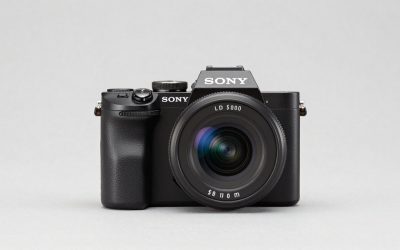
The best mirrorless cameras in 2026 are the Sony a6700 for travel and creators, the Fujifilm X-T5 for photography, the Canon EOS R6 Mark II for portraits and events, the Nikon Z6 III for hybrid shooting, and the Panasonic Lumix S5IIX for serious video work.
The right choice depends less on having the highest resolution and more on matching sensor size, autofocus behavior, stabilization, lens availability, battery endurance, and recording formats to the way you shoot. A compact APS-C camera can be a better travel tool than a heavier full-frame body, while a full-frame hybrid usually gives you more flexibility for low light, shallow depth of field, and professional video.
As an Amazon Associate we earn from qualifying purchases at no extra cost to you.


Our Top Picks
 Canon EOS R100 Mirrorless Camera RF-S18-45mm F4.5-6.3 is2.7 x 4.6 x 3.4 inches0 PoundsCheck on Amazon
 Canon EOS R100 Mirrorless Camera with RF-S 18-45mmCompact2.7 x 4.6 x 3.4 inches4.16 poundsCheck on Amazon
 Canon EOS R50 Mirrorless Camera RF-S18-45mm F4.5-6.3 is2.71 x 4.58 x 3.37 Inches1 poundsCheck on Amazon

Top 3 picks at a glance
Best mirrorless cameras at a glance
| Camera | Sensor and resolution | Best for | Key strengths | Typical body price |
|---|---|---|---|---|
| Sony a6700 | APS-C, 26 megapixels | Travel and creators | Excellent tracking autofocus, compact size, 4K video | Usually $1,200–$1,500 |
| Fujifilm X-T5 | APS-C, 40 megapixels | Travel photography and portraits | Detailed stills, film simulations, classic controls | Usually $1,500–$1,800 |
| Canon EOS R6 Mark II | Full frame, 24 megapixels | Portraits, weddings, events | Reliable subject detection, strong low-light performance, fast burst shooting | Usually $1,900–$2,300 |
| Nikon Z6 III | Full frame, 24.5 megapixels | General-purpose hybrid work | Fast readout, capable autofocus, high-quality video options | Usually $2,400–$2,700 |
| Panasonic Lumix S5IIX | Full frame, 24 megapixels | Video creators and small productions | Cooling, recording flexibility, ProRes and SSD workflows | Usually $1,800–$2,200 |
| OM System OM-1 Mark II | Micro Four Thirds, 20 megapixels | Outdoor travel and wildlife | Very effective stabilization, weather resistance, lightweight telephoto lenses | Usually $2,000–$2,300 |
Choose by the job you actually do
| Your situation | Best starting point | Why |
|---|---|---|
| You carry one camera all day | Sony a6700 | Small body, strong autofocus, and a broad APS-C lens selection |
| You mainly take still photos | Fujifilm X-T5 | High resolution and excellent control over color and exposure |
| You photograph people who move | Canon EOS R6 Mark II | Consistent eye and subject recognition with useful burst performance |
| You need one body for photos and video | Nikon Z6 III | Fast sensor readout reduces rolling shutter while retaining full-frame quality |
| You edit and deliver video professionally | Panasonic Lumix S5IIX | Strong codecs, monitoring tools, and external recording options |
| You hike with long lenses | OM System OM-1 Mark II | Small Micro Four Thirds telephoto lenses reduce total kit weight |
Best mirrorless cameras for travel
Sony a6700
The Sony a6700 is one of the safest travel choices because it combines a relatively small APS-C body with modern subject-recognition autofocus, in-body image stabilization, and 4K recording. Its 26-megapixel sensor is detailed enough for large prints and cropping, while Sony’s E-mount gives you access to compact lenses from Sony, Sigma, Tamron, and other manufacturers.
Choose a compact zoom such as an 18–135mm-class lens for an all-day setup, or pair the camera with a small 20mm or 24mm-equivalent prime for street photography and video. The main compromise is battery and thermal headroom: a small body is convenient, but it is less comfortable for long recording sessions than a larger full-frame camera.
Fujifilm X-T5
The Fujifilm X-T5 is better suited to travelers who prioritize still photography, tactile controls, and high-resolution files. Its 40-megapixel APS-C sensor provides substantial cropping room, and Fujifilm’s film simulations can produce attractive JPEGs without requiring a raw-processing session for every image.
Its stabilization helps with static subjects in dim light, but it cannot freeze a moving person or vehicle. For action, raise the shutter speed first and allow the camera’s ISO to increase. The X-T5 is also a strong choice when the lens ecosystem matters: Fujifilm offers compact primes, weather-resistant zooms, and long telephoto options designed specifically for its APS-C system.
Best for portraits, events, and sports
Canon EOS R6 Mark II
The Canon EOS R6 Mark II is a particularly capable people camera. Its 24-megapixel full-frame sensor balances file size, high-ISO performance, and fast readout. Canon’s subject detection can recognize people, animals, and vehicles, making it easier to keep moving subjects under an autofocus point.
For portraits, pair it with an 85mm f/2 or f/1.8-class lens. For indoor events, a 24–70mm f/2.8-class zoom is more flexible, though considerably heavier. The camera’s stabilization helps reduce camera shake, but it does not replace a fast shutter speed: start around 1/500 second for walking people and 1/1000 second or faster for field sports.
Nikon Z6 III
The Nikon Z6 III is a strong hybrid option for photographers who also need advanced video. Its partially stacked sensor design provides faster readout than many conventional full-frame cameras, which helps reduce skew in fast pans and moving subjects. It also offers a high-resolution electronic viewfinder and a broad range of recording choices.
Nikon’s Z system has grown into a substantial ecosystem, including compact primes, professional f/2.8 zooms, and long lenses for wildlife. The Z6 III is a good fit when you want one camera that handles portraits, travel, documentary work, and serious video without specializing too heavily in one category.
Best mirrorless cameras for video creators
Panasonic Lumix S5IIX
The Panasonic Lumix S5IIX is aimed at creators who care about production workflow as much as image quality. It supports advanced recording formats, external SSD recording, useful monitoring tools, and a cooling design suited to extended video sessions. Its phase-hybrid autofocus is a major improvement over older Panasonic full-frame models, particularly for people-facing work.
It is a better choice than a stills-first camera if you regularly record interviews, product videos, tutorials, or short films. Panasonic’s L-Mount ecosystem includes lenses from Panasonic, Sigma, and Leica, giving you several price and size levels. The trade-off is that the body and full-frame lenses can make a creator kit noticeably heavier than an APS-C setup.
Sensor size: what changes in real use?
Full-frame sensors generally provide more low-light flexibility and easier background blur at the same framing. APS-C cameras reduce body and lens size while retaining strong image quality. Micro Four Thirds systems offer the smallest long lenses and are especially practical for hiking, wildlife, and handheld telephoto work.
For example, a 300mm lens on Micro Four Thirds gives a field of view similar to a 600mm lens on full frame. That does not create identical optical blur or noise performance, but it can dramatically reduce the size and cost of a wildlife kit. Conversely, a 50mm f/1.8 lens on full frame gives a different portrait look from a 33mm f/1.8 lens on APS-C, even when the framing is similar.
Video settings and storage: a practical calculation
Resolution alone does not determine your storage needs. A camera recording 4K at 200 megabits per second uses:
200 megabits ÷ 8 = 25 megabytes per second
That equals approximately 1.5 gigabytes per minute, or 90 gigabytes per hour, before allowing extra space for formatting and multiple takes. If you record a two-hour event with a 200 Mbps mode, plan for at least 180GB of usable storage, and preferably a 256GB or larger card or SSD.
For a talking-head video, 4K at 100 Mbps is often sufficient and uses about 45GB per hour. For fast motion, heavy color grading, or a professional edit, use a higher-bitrate mode or an intraframe codec when available. Always confirm that the card’s sustained write speed meets the camera’s requirement; a card can have a high advertised read speed but still fail during continuous recording.
Autofocus, stabilization, and battery decisions
- Autofocus: prioritize subject recognition and tracking if you photograph children, animals, sports, or yourself on camera. For landscapes and studio products, autofocus differences matter less.
- Stabilization: image stabilization helps with hand shake during still photography and smooths some handheld video. It cannot stop subject movement, so it is not a substitute for shutter speed or additional lighting.
- Battery life: budget for at least one spare battery when traveling and two for a full-day video shoot. Cold weather, high-resolution electronic viewfinders, wireless connections, and continuous autofocus all reduce runtime.
- Lenses: compare the complete system cost, not only the camera body. A cheaper body with expensive proprietary lenses may cost more than a slightly pricier camera with several affordable third-party options.
How to make the final choice
Choose the Sony a6700 if portability, autofocus, and creator-friendly 4K video are your priorities. Choose the Fujifilm X-T5 if still photography, high resolution, and direct controls matter most. Pick the Canon EOS R6 Mark II for people, events, and action with dependable autofocus. Select the Nikon Z6 III for a balanced full-frame photo-and-video system with fast sensor readout. Choose the Panasonic S5IIX when video codecs, monitoring, and production workflow come before compact size. For lightweight wildlife and outdoor kits, the OM System OM-1 Mark II remains a compelling Micro Four Thirds option.
Before buying, handle the body with your intended lens attached, check the battery and media costs, and confirm that the lenses you expect to use exist in the required size and price range. The best mirrorless camera is the one whose complete kit you will actually carry, operate, and keep expanding.
Frequently asked questions
Which camera is the lightest practical choice for wildlife and hiking?
The OM System OM-1 Mark II is the most practical choice when minimizing telephoto kit weight matters. Its Micro Four Thirds format supports small long lenses, and the camera offers very effective stabilization and weather resistance. A 300mm lens on Micro Four Thirds provides a field of view similar to a 600mm lens on full frame, although noise and background blur are not identical.
What lens setup works well for an all-day travel kit?
A compact 18–135mm-class zoom is a versatile all-day travel setup for the Sony a6700. For street photography and video, a small 20mm or 24mm-equivalent prime can make the kit more compact. The a6700 also benefits from Sony’s E-mount ecosystem, which includes compact lenses from Sony, Sigma, Tamron, and other manufacturers.
Can image stabilization freeze a moving person or vehicle?
No, image stabilization cannot freeze a moving person or vehicle. It reduces camera shake and can help during still photography or some handheld video, but subject movement requires a sufficiently fast shutter speed. For walking people, start around 1/500 second, while field sports generally call for 1/1000 second or faster.
How much storage is needed for a two-hour 4K event recording?
A two-hour event recorded at 200 Mbps requires at least 180GB of usable storage. That recording rate uses approximately 1.5 gigabytes per minute, or 90 gigabytes per hour, before allowing space for formatting and multiple takes. A 256GB or larger card or SSD is preferable, and its sustained write speed must meet the camera’s requirement.
How many spare batteries should a video creator carry?
A video creator should budget for two spare batteries for a full-day video shoot. For travel, at least one spare battery is recommended. Battery life can be affected by cold weather, high-resolution electronic viewfinders, wireless connections, and continuous autofocus, so carrying spares is particularly useful when recording sessions or travel days are long.