
The best boxing gloves for beginners are usually 14-ounce all-purpose training gloves with firm wrist support, a secure hook-and-loop closure, and layered foam suitable for both bag work and classes; choose 16-ounce gloves if sparring is part of your near-term plan.
As an Amazon Associate we earn from qualifying purchases at no extra cost to you.


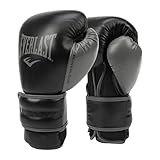

Our Top Picks


Top 3 picks at a glance
Quick picks for new boxers
| Glove | Best for | Weight options | Construction and closure | Typical market range |
|---|---|---|---|---|
| Hayabusa T3 | Maximum wrist support and frequent training | 10–18 oz | Multi-layer foam; dual-strap hook-and-loop closure | Usually $120–$160 |
| Venum Elite | General classes and bag work | 10–16 oz | Multi-layer foam; wide hook-and-loop strap | Usually $70–$110 |
| Everlast Elite 2 | Budget-conscious beginners | 10–16 oz | Engineered synthetic exterior; hook-and-loop closure | Usually $50–$90 |
| Fairtex BGV1 | Boxing, Muay Thai, and compact hand positioning | 8–16 oz | Leather exterior; hook-and-loop closure | Usually $100–$140 |
| Ringside Apex | Entry-level training and occasional classes | 10–16 oz | Layered foam; hook-and-loop closure | Usually $40–$80 |
Market prices vary by color, size, and regional availability. The most expensive glove is not automatically the best choice: fit, correct weight, and appropriate padding matter more than branding.
How to choose the right weight
Glove weight affects protection, training intensity, hand fatigue, and gym rules. Ounces describe the glove’s total weight, not the amount of padding in one specific location. Heavier gloves generally give you more padding and make punches feel slower, but they also increase fatigue during long sessions.
| Glove weight | Most suitable use | Beginner guidance |
|---|---|---|
| 8–10 oz | Competition or very light pad work | Usually too light for a beginner’s only pair |
| 12 oz | Pads, light bag work, shorter sessions | Reasonable for smaller users when the gym permits it |
| 14 oz | Bag work, pads, fitness classes, and general training | Best default for many beginners |
| 16 oz | Sparring and higher-volume training | Choose these if your coach requires them or sparring is imminent |
| 18 oz | Extra conditioning or larger users | Often unnecessary as a first glove unless specifically recommended |
A practical weight calculation
Suppose you train three 60-minute sessions each week. If your gym requires 16-ounce gloves for sparring but you use 14-ounce gloves for everything else, a simple weekly load might be two hours in 14-ounce gloves and one hour in 16-ounce gloves. That is 28 ounce-hours plus 16 ounce-hours, or 44 ounce-hours of glove use per week. Using 16-ounce gloves for all three hours would be 48 ounce-hours: only about 9 percent more total glove weight, but the heavier pair may feel noticeably slower during combinations.
This is why a two-pair setup can make sense once you know you will continue: 14-ounce training gloves for bag and class work, plus 16-ounce sparring gloves reserved for partner contact. For a first purchase, however, 14 ounces is the more versatile starting point unless your coach says otherwise.
Match the glove to your situation
| Your situation | Recommended specification | Reason |
|---|---|---|
| Fitness classes and occasional bag work | 12–14 oz, synthetic or leather, hook-and-loop closure | Easy to put on, comfortable for moderate volume, and less expensive |
| Regular heavy-bag training | 14–16 oz, dense layered foam, reinforced wrist | Better durability and impact management over repeated sessions |
| Beginner who will spar soon | 16 oz, soft-contact sparring padding, approved by the coach | Protects both partners and commonly meets gym rules |
| Small hands or narrow wrists | Compact 12–14 oz fit, supportive strap, hand wraps underneath | Reduces excess movement inside the glove |
| Muay Thai plus boxing | 14–16 oz glove with flexible palm and thumb construction | Allows clinching and catching while remaining suitable for punches |
| High-volume training or sweaty hands | Breathable lining, moisture management, and two pairs rotated | Allows each pair to dry fully and reduces odor and material breakdown |
Hand support: what actually matters
Beginners often interpret “support” as maximum stiffness, but useful support comes from several parts working together. The glove should keep your wrist aligned with your forearm, stop your hand from sliding forward, and hold the thumb in a safe position without forcing your fingers into an uncomfortable curl.
- Wrist length: A longer cuff gives more coverage around the wrist. This is helpful if your wrists feel unstable, but an overly rigid cuff can restrict movement.
- Strap width: A wide strap distributes pressure better than a narrow strap. It should close firmly over hand wraps without cutting into the wrist.
- Thumb position: The thumb should sit naturally and remain attached to the main glove body. Do not choose a glove that makes the thumb bend sharply backward.
- Finger compartment: Your fingertips should reach the end of the compartment without being crushed. Excess empty space lets the hand move during impact.
- Foam density: Dense, layered foam is generally more suitable for repeated bag work. Softer foam is preferable for sparring, where partner safety is the priority.
Hand wraps are part of the support system. With wraps on, make a fist and check that your fingers do not press painfully against the glove’s interior. If the glove only fits without wraps, it is too small for normal training.
Closure types: hook-and-loop versus lace-up
Hook-and-loop
Hook-and-loop gloves are the best choice for most beginners. You can put them on without assistance, adjust tension between rounds, and remove them quickly. A broad strap is preferable to a thin single strap because it provides more even wrist compression.
The trade-off is that hook-and-loop closures can loosen, catch on clothing, or wear out after extensive use. Keep the fastening surface clean and press it fully closed before training.
Lace-up
Lace-up gloves can provide a close, uniform fit around the wrist and are common in competition and some traditional boxing gyms. Their drawback is practicality: you normally need another person to lace and remove them, and adjustment between rounds is difficult. They are rarely the best first pair unless your coach specifically prefers them.
Hybrid systems
Some gloves combine laces with a zipper or other securing feature. These can offer a snug fit, but the extra mechanism adds complexity and does not replace the need for correct sizing. For a new boxer, a well-fitting hook-and-loop glove is usually easier to use consistently.
Leather or synthetic material?
Leather usually offers a more supple feel and can last well when aired out after every session. It generally costs more and needs more care. Leather gloves should not be left damp in a closed gym bag.
Synthetic leather is often the better value for a first pair. Modern synthetic shells can handle regular classes and are easier to wipe clean. They may develop surface cracking or lose their finish sooner than quality leather, particularly when stored wet or exposed to heat.
Material is less important than the foam and stitching. A leather glove with poor wrist construction is a worse choice than a synthetic glove with secure stitching, balanced padding, and a comfortable fit.
Top beginner picks compared
Hayabusa T3: strongest support-focused option
The Hayabusa T3 is a sensible choice for beginners who prioritize wrist stability and expect to train several times per week. Its dual-strap closure holds the wrist firmly, and the glove has a structured feel. That support can be reassuring during bag work, although users who prefer a flexible, relaxed glove may find it restrictive. Check your gym’s sparring policy before using it for partner work.
Venum Elite: versatile class glove
The Venum Elite is aimed at general training, making it a useful middle-ground option for classes, pads, and moderate bag work. Its hook-and-loop closure is convenient, and its synthetic construction keeps the cost below many premium leather gloves. Choose 14 ounces for an all-purpose first pair or 16 ounces if your instructor expects that weight for sparring.
Everlast Elite 2: accessible budget choice
The Everlast Elite 2 suits beginners who want a recognizable training design without committing to premium pricing. It is most appropriate for fitness boxing, classes, and moderate home-bag use. Inspect the wrist fit carefully: if the cuff feels loose even over wraps, move to a more structured model rather than compensating by tightening the strap excessively.
Fairtex BGV1: compact and versatile feel
The Fairtex BGV1 is popular across boxing and Muay Thai because its construction allows a comparatively natural hand position and useful thumb mobility. It is a good option if your training includes clinching or catching kicks, but it may not feel as heavily wrist-braced as a glove designed specifically around maximum wrist support.
Ringside Apex: basic entry-level training
The Ringside Apex is worth considering when the priority is a straightforward, affordable glove for starting classes. It is best treated as a general training glove rather than a specialized sparring model. Confirm padding requirements with your gym, especially if contact training is part of the program.
Fit and first-use checklist
- Put on the hand wraps you will actually train with.
- Make a relaxed fist; your knuckles should sit evenly under the padded striking surface.
- Check that the thumb is comfortable and cannot slip behind the main padding.
- Fasten the strap firmly, but stop if your fingers tingle or your hand changes color.
- Shadowbox for two minutes. The glove should not rotate, slide forward, or force your wrist into extension.
- Hit a bag lightly before increasing power. Pain in the knuckles, thumb, or wrist indicates a fit or technique problem, not something to “break in.”
- Air the gloves completely after every session; do not seal them in a gym bag while damp.
For most new boxers, the final decision is simple: buy a well-fitting 14-ounce hook-and-loop training glove for classes and bag work, or choose 16 ounces if your gym requires them for sparring. Prioritize hand alignment, a secure cuff, and appropriate padding over leather branding or decorative features.
Frequently asked questions
Do I need more than one pair of boxing gloves?
You do not need more than one pair when starting, but two pairs can make sense if you will continue training and spar soon. A practical setup is 14-ounce gloves for bag and class work plus 16-ounce gloves reserved for partner contact. For a first purchase, 14 ounces is generally the more versatile option unless your coach says otherwise.
Can I use the same gloves for boxing and Muay Thai?
You can use one pair for both boxing and Muay Thai if it has a flexible palm and thumb construction. A 14–16-ounce glove can remain suitable for punches while allowing clinching and catching. For either activity, the glove should fit comfortably over hand wraps and keep the thumb in a natural position without forcing it backward.
Should I wear hand wraps with beginner boxing gloves?
Yes, hand wraps should be treated as part of the glove’s support system. Put them on before checking the fit, then make a fist and confirm that your fingers are not pressing painfully against the interior. If the glove only fits comfortably without wraps, it is too small for normal training.
How should I care for boxing gloves after training?
Air out the gloves after every session and avoid leaving them damp in a closed gym bag. Synthetic gloves are generally easier to wipe clean, while leather requires more care. If you train frequently or have sweaty hands, rotating two pairs allows each pair to dry fully and can reduce odor and material breakdown.
What should I do if my glove feels loose around the wrist?
Choose a different fit if the cuff remains loose over hand wraps. The glove should keep your wrist aligned with your forearm, hold your hand securely, and close firmly without cutting into the wrist. A broad strap usually distributes pressure more evenly than a narrow one, while excess space can let your hand move during impact.


