The best Japanese whiskey glasses are crystal nosing glasses for aroma-focused sipping, while cut-glass tumblers are better when presentation, ice, and a refined hand feel matter most.
Japanese whisky rewards a glass that lets you control dilution and smell as much as one that looks elegant. A narrow opening can concentrate fruit and oak aromas; a wider bowl makes room for a large cube and encourages slower, cooler sipping. The right choice depends on whether you drink neat, with a few drops of water, over ice, or as a highball.
As an Amazon Associate we earn from qualifying purchases at no extra cost to you.



Our Top Picks
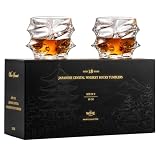
 Storm Japanese Whiskey Glasses Set of 210.1 Ounces (Pack of 2)3.54 x 3.54 x 4.3 InchesCheck on Amazon


Top 3 picks at a glance
Quick comparison: which glass suits your pour?
| Drinking situation | Best glass type | Useful capacity | Why it works |
|---|---|---|---|
| Neat, aroma-first tasting | Tulip-shaped crystal nosing glass | 170–250 ml | Concentrates aroma and allows a small pour to coat the bowl |
| Neat whisky with a few drops of water | Wide-bowl tasting glass with tapered rim | 200–300 ml | Provides room to swirl while retaining volatile aromas |
| On one large cube | Heavy-bottom crystal tumbler | 250–350 ml | Stable base, adequate ice clearance, and slow dilution |
| Mizuwari or casual sipping | Tall, clear tumbler | 300–400 ml | Leaves room for ice, water, and gentle stirring |
| Japanese highball | Highball glass | 300–450 ml | Preserves carbonation and maintains a practical whisky-to-soda ratio |
Crystal versus glass: the important differences
Crystal
Crystal is usually chosen for its clarity, weight, brilliance, and smoother-feeling rim. Traditional lead crystal can produce exceptional sparkle and a dense, luxurious hand feel, while modern lead-free crystal uses alternatives such as titanium or zirconium to improve durability and meet current safety expectations. A crystal glass is not automatically better at releasing aroma, but its thinner, more carefully finished rim and precise bowl shape often make it better for tasting.
Crystal is also the stronger choice for gift presentation. A weighty base, sharp patterning, and bright reflections make even a single glass feel substantial. The trade-off is cost and, in some designs, greater vulnerability to thermal shock, scratches, and dishwasher damage.
Standard glass
High-quality soda-lime glass can be excellent for daily Japanese whisky drinking. It is generally more affordable, easier to replace, and often more tolerant of ice, chilled water, and frequent washing. Clear glass also lets you judge color without the visual distortion created by heavy cuts or colored decoration.
The key is finish rather than the word “crystal” on the packaging. A thin, even rim and a stable base matter more than decorative claims. Very thick, uneven glass may feel clumsy and can make a small pour seem lost, while a well-made ordinary tumbler can feel balanced and comfortable.
Head-to-head: tasting glass or Japanese-style tumbler?
Tulip-shaped tasting glasses
A Glencairn Whisky Glass is the familiar example of this format, and the Riedel Vinum Single Malt Whisky glass follows the same aroma-led principle with a bowl that narrows toward the rim. The lower bowl provides surface area for the whisky; the narrower top directs vapors toward the nose.
These glasses are strongest for neat pours of approximately 25–45 ml. The smaller the pour, the more helpful a tapered bowl becomes because it prevents aromas from dispersing too quickly. They are less convenient for large ice because the opening and bowl may not accommodate a cube comfortably.
Wide tumblers
A heavy-bottom tumbler gives a more relaxed, Japanese-bar-style experience. It suits a large clear cube, a few drops of water, or a whisky served chilled without making the drink feel overly formal. The broader opening releases aroma less selectively than a tulip glass, but it makes the whisky easier to sip and inspect.
The Norlan Whisky Glass is a modern example that combines a tumbler-like exterior with an aroma-oriented interior. It is a good middle ground for someone who wants contemporary design and neat-whisky performance without using a traditional stemmed or highly narrow tasting glass.
Cut crystal tumblers
Traditional Japanese cut-crystal tumblers are presentation-first glasses. Their faceted patterns catch light, and their substantial bases feel secure when holding a large cube. They are especially suitable for premium gifts, whisky-and-water drinks, and occasions where the glass is part of the ritual.
Heavy cutting can slightly obscure the whisky’s color and add weight that some people find tiring during a long tasting. If aroma analysis is the priority, choose a relatively open bowl with a clean, polished rim rather than the most elaborate pattern.
How bowl shape and rim design change the experience
- Narrow upper bowl: concentrates fruity, floral, and oak aromas. It is useful for nosing delicate single malts and lighter Japanese blends.
- Broad lower bowl: increases surface area and gives whisky room to open after pouring or adding water.
- Wide rim: creates a relaxed drinking feel and allows a large ice cube, but aromas disperse more quickly.
- Tapered rim: directs aroma upward and reduces spills, though an excessively narrow opening can feel restrictive.
- Thin rim: makes the whisky arrive cleanly on the palate and feels refined.
- Rolled or thick rim: is more durable and comfortable for casual use, but may feel less precise during neat tasting.
For one versatile glass, look for a bowl around 70–90 mm wide, a tapered opening around 45–60 mm, and a capacity near 200–300 ml. Those dimensions provide enough room for a 30 ml pour and a few drops of water without making the whisky look undersized.
Capacity: avoid buying a glass that is too large
Capacity does not indicate how much whisky you should pour. It indicates how much room the glass reserves for aroma, ice, water, and movement. A 400 ml tumbler filled with 30 ml of neat whisky may look empty and expose the drink to more air than necessary. That is not always harmful, but it can make the presentation feel unbalanced.
For a typical 30 ml neat pour, a 200–250 ml tasting glass is usually proportionate. For a 30 ml pour with a 50–60 mm cube, choose approximately 250–350 ml. For a highball, calculate the liquid space before choosing the glass: 30 ml whisky + 120 ml chilled soda + approximately 70 ml displaced by ice equals 220 ml of liquid and ice volume. A 300 ml glass may be tight once you include stirring space, while a 350–400 ml highball glass leaves a more practical headroom.
Hand feel and everyday durability
Weight changes how a glass is used. A thick base lowers the center of gravity and prevents tipping, which is valuable with large ice. However, a very heavy tumbler can warm the drink as it is held and may become tiring during a long session. A lighter tasting glass encourages holding the stem or lower bowl, keeping hands away from the whisky.
Check three physical details before buying:
-
Frequently asked questions
Can I use a crystal glass for whisky with ice?
Yes, crystal can be used with ice, but its suitability depends on the design and care requirements. A heavy-bottom crystal tumbler provides ice clearance, stability, and slow dilution. Some crystal designs are more vulnerable to thermal shock, scratches, and dishwasher damage, so a standard glass may be more practical for frequent washing and chilled drinks.
How much whisky should I pour for aroma-focused tasting?
A neat aroma-focused pour is typically approximately 25–45 ml. A smaller pour benefits from a tapered bowl because the shape helps prevent aromas from dispersing too quickly. For a typical 30 ml neat pour, a 200–250 ml tasting glass is usually proportionate and leaves room for the whisky to coat the bowl.
Is a Glencairn glass suitable for Japanese whisky?
Yes, a Glencairn Whisky Glass suits Japanese whisky when neat aroma analysis is the priority. Its lower bowl provides surface area for the whisky, while the narrower top directs vapors toward the nose. It is strongest for neat pours of approximately 25–45 ml, but it is less convenient when using large ice.
Which glass is best for a Japanese highball?
A highball glass is best for a Japanese highball because it preserves carbonation and provides practical room for the whisky, soda, ice, and stirring. A 350–400 ml glass leaves more useful headroom than a 300 ml glass. The article’s example combines 30 ml whisky, 120 ml chilled soda, and ice.
Does a faceted glass affect how I see the whisky?
Yes, heavy cutting can slightly obscure the whisky’s color. Faceted cut-crystal tumblers are designed primarily for presentation, with patterns that catch light and substantial bases that feel secure with a large cube. If evaluating appearance and aroma matters more than elaborate decoration, choose a relatively open bowl with a clean, polished rim.
Related guides