The classic Tom Collins recipe uses 2 ounces gin, 1 ounce fresh lemon juice, ¾ ounce 1:1 simple syrup, and about 2 ounces chilled soda water, shaken with ice and served over fresh ice in a tall glass.
As an Amazon Associate we earn from qualifying purchases at no extra cost to you.


Our Top Picks


Top 3 picks at a glance
Classic Tom Collins Recipe
| Ingredient | Single drink | Flavor role |
|---|---|---|
| London dry or other dry gin | 2 oz / 60 ml | Juniper, herbs, and structure |
| Fresh lemon juice | 1 oz / 30 ml | Acidity and brightness |
| 1:1 simple syrup | ¾ oz / 22 ml | Sweetness and balance |
| Chilled soda water | 1½–2 oz / 45–60 ml | Length, lift, and carbonation |
Garnish: lemon wheel and, optionally, a maraschino cherry.
What You Need
- A cocktail shaker
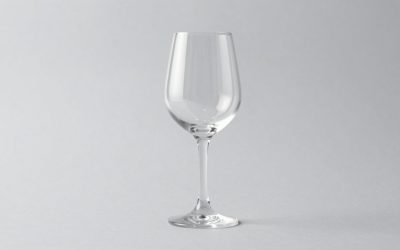
- A tall Collins or highball glass, ideally 10–14 ounces
- A jigger or measuring tool
- Plenty of fresh ice
- A bar spoon or similar long spoon
A Collins glass is the traditional choice because its narrow, tall shape preserves carbonation better than a wide rocks glass. A highball glass works well too, especially if it holds at least 10 ounces without forcing the drink above the rim.
How to Make a Tom Collins
1. Make the syrup
Combine equal weights or volumes of white sugar and water. For a small batch, stir together ½ cup sugar and ½ cup water until dissolved, then chill it. A 1:1 syrup gives the drink a clean, moderately light sweetness. Store it covered in the refrigerator and use it within roughly two to three weeks.
2. Chill the glass
Fill the Collins glass with ice while you prepare the drink. This chills the glass and prevents the first pour from melting ice rapidly. If your refrigerator has room, chilling the empty glass first is even better.
3. Shake the base
Add the gin, lemon juice, and simple syrup to a shaker. Fill it with ice and shake firmly for about 10–12 seconds. The goal is not merely to mix the ingredients: shaking chills the drink, adds a controlled amount of water, and softens the sharp edge of the lemon.
4. Strain over fresh ice
Discard the ice from the glass and refill it with fresh, solid cubes. Strain in the shaken gin mixture. Fresh ice is colder and usually melts more slowly than the wet ice left in the shaker.
5. Add soda last
Top with 1½–2 ounces of very cold soda water. Pour it slowly down the side of the glass or over the back of a bar spoon, then give the drink one gentle lift from bottom to top with the spoon. Do not stir vigorously, because excessive stirring releases carbonation.
6. Garnish and serve
Add a lemon wheel and a cherry if desired. Serve immediately, while the soda is lively and the ice is still firm.
Why These Ratios Work
The essential balance is approximately 2 parts gin to 1 part lemon juice to ¾ part syrup, followed by enough soda to make the drink refreshing without washing out the flavor. Gin varies in intensity, but this ratio gives it a clear presence while allowing the lemon to remain noticeable.
The lemon-to-syrup relationship is particularly important. One ounce of lemon paired with ¾ ounce of 1:1 syrup produces a tart, balanced Collins. If your lemons are especially acidic, increase the syrup by ¼ ounce. If the drink tastes heavy or candy-like, reduce the syrup to ½ ounce rather than adding more soda.
Do not substitute bottled lemon juice unless convenience is the priority. Fresh juice supplies brighter aroma and a less flat finish. Strain pulp if you prefer a clear drink, but a small amount of pulp is not a problem.
Dilution and Ice Guidance
A shaken Tom Collins needs two separate kinds of water: dilution from shaking and soda water added afterward. Shaking with ice for 10–12 seconds commonly contributes roughly ½–¾ ounce of meltwater, although the actual amount depends on ice size, temperature, shaker material, and shaking intensity.
| Situation | Recommended adjustment | Reason |
|---|---|---|
| Large, hard ice cubes | Shake 12–15 seconds | They chill efficiently but dilute more slowly |
| Small or wet ice | Shake 8–10 seconds | It melts faster and can make the drink thin |
| Warm ingredients or glass | Use colder ice and chill longer | Warm liquid requires more chilling before serving |
| Very cold, highly carbonated soda | Use 1½ oz first, then taste | Cold soda preserves bubbles and adds less unwanted dilution |
Use fresh ice for serving, not the ice from the shaker. The shaker ice has already warmed and partially melted; using it in the finished drink can accelerate dilution.
Easy Batch Tom Collins for a Small Group
For a six-drink batch, multiply the non-carbonated ingredients by six:
- 12 ounces gin
- 6 ounces fresh lemon juice
- 4½ ounces 1:1 simple syrup
This produces 22½ ounces of pre-dilution mixture. Add approximately 3 ounces of chilled water to represent the dilution normally created by shaking six individual drinks. The finished still batch is therefore about 25½ ounces, enough for six servings of roughly 4¼ ounces before soda.
Keep the batch refrigerated and add soda only as each drink is served. For each portion, pour about 4¼ ounces of the chilled base over ice and top with 1½–2 ounces soda. Adding all the soda to a pitcher at once is convenient, but it loses carbonation quickly and makes the last servings noticeably flatter.
If you must serve from one pitcher, chill the base thoroughly, add no more than 10–12 ounces of soda for six drinks, and pour immediately into ice-filled glasses. The individual-serve method gives better carbonation.
Choosing Gin for the Drink
A classic London dry gin makes the most recognizable Tom Collins: juniper-forward, dry, and assertive enough to stand up to lemon. A softer contemporary dry gin can make a smoother drink, while a strongly citrus-led gin may make the lemon seem more dominant.
| Your preference | Best direction | Adjustment |
|---|---|---|
| Traditional, juniper-forward flavor | London dry gin | Use the standard 2 oz measure |
| Softer and less piney | Balanced contemporary dry gin | Keep the recipe unchanged |
| More botanical intensity | Floral or herbaceous gin | Try 1¾ oz gin before increasing the other ingredients |
| Lower alcohol and lighter flavor | Use 1½ oz gin | Keep lemon and syrup the same, then add slightly more soda |
Common Tom Collins Problems and Fixes
The drink tastes too sour
First check the lemon measurement and the syrup concentration. If you used a rich 2:1 syrup instead of 1:1, the drink may paradoxically taste unbalanced because the sweetness does not spread in the same way. Add ¼ ounce of 1:1 syrup, stir gently, and taste again.
The drink tastes too sweet
Use less syrup next time, starting at ½ ounce. Adding soda can make the drink less intense but will not remove sweetness, so dilution is only a partial fix.
The drink tastes weak
Check whether the glass is too large or filled with excessive soda. The recipe is built around 2 ounces of gin and about 2 ounces of soda, not a tall glass filled almost entirely with mixer. Use a smaller 10-ounce glass or increase the gin only after confirming the lemon and syrup are measured correctly.
The drink is flat
The soda was probably warm, added too early, or stirred too forcefully. Chill the soda, open it immediately before serving, pour gently, and limit mixing to one careful lift.
The drink is watery
Wet ice, prolonged shaking, and a warm shaker can all increase dilution. Use solid ice, shake for a measured 10–12 seconds, and strain promptly over fresh cubes.
Quick Formula to Remember
For every serving, measure 2 ounces gin, 1 ounce lemon, ¾ ounce 1:1 syrup, and 1½–2 ounces soda. Shake only the gin, lemon, and syrup; add soda after straining. That sequence protects the carbonation, while the fresh ice and controlled shaking provide the chill and dilution that make the classic Tom Collins balanced rather than merely strong, sour, or fizzy.
Frequently asked questions
Can I prepare the simple syrup ahead of time?
Yes, you can prepare the simple syrup ahead of time and chill it before making the drink. Combine equal weights or volumes of white sugar and water, then store the covered syrup in the refrigerator. The article recommends using it within roughly two to three weeks for best practicality.
Should I use a Collins glass or a highball glass?
Either glass works, but a Collins glass is the traditional choice. Its narrow, tall shape helps preserve carbonation better than a wide rocks glass. A highball glass is also suitable, especially when it holds at least 10 ounces without forcing the finished drink above the rim.
Can I strain the lemon juice before mixing?
Yes, you can strain the lemon juice if you prefer a clearer drink. The article says that a small amount of pulp is not a problem, so straining is optional rather than required. Fresh juice is preferred because it provides brighter aroma and a less flat finish than bottled juice.
What garnish should I use for a Tom Collins?
Use a lemon wheel as the standard garnish, and add a maraschino cherry if desired. The garnish should be added after the soda and gentle final lift, then the drink should be served immediately while the carbonation is lively and the ice remains firm.
Can I mix the entire batch with soda in advance?
You can, but adding soda to the entire batch in advance is not ideal because it loses carbonation quickly. For six drinks, keep the non-carbonated base refrigerated and add soda as each serving is poured over ice. This individual-serving method gives better carbonation than a single pitcher.