Our Top Picks
 Spiegelau Definition Digestif Glasses4.6 Ounces (Pack of 2)2 x 2 x 8.5 inches0.2 poundsCheck on Amazon
 Luigi Bormioli Michelangelo Liqueur Shot Glasses2.3 Ounces (Pack of 4)2.05 x 2.05 x 5.47 Inches0.2 poundsCheck on Amazon
 Remerry Grappa Glass Stemware3.5 Ounces (Pack of 12)9.45 x 9.45 x 7.09 inches3.54 poundsCheck on Amazon
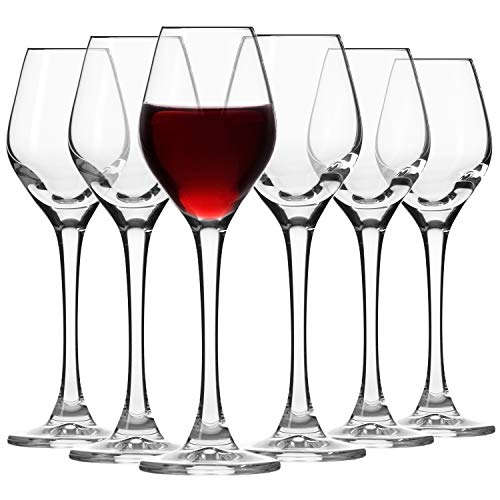
Top 3 picks at a glance

Best Liqueur Glasses for Digestifs
The best liqueur glasses for digestifs are small, stemmed glasses with a capacity of roughly 90–180 ml: a tulip-shaped glass suits amaro, a compact snifter suits brandy, a narrow port glass suits port, and a straight-sided cordial glass works best for cream liqueurs.
The right shape matters because digestifs are usually served in small pours, often between 25 and 60 ml. A glass that is too large makes a modest serving look lost and encourages excessive swirling; one that is too narrow can hide aroma. The most useful choice depends on the drink, how stable the stem needs to be, whether the glass must survive a dishwasher, and whether you want one versatile set or separate glasses for each style.
As an Amazon Associate we earn from qualifying purchases at no extra cost to you.


Quick decision matrix
| Drink or priority | Best glass shape | Useful capacity | Why it works |
|---|---|---|---|
| Amaro | Small tulip or copita | 120–180 ml | Concentrates herbal aromas while leaving room for ice or a small mixer |
| Brandy or Cognac | Compact snifter or tulip brandy glass | 150–250 ml | Rounds the bowl for aroma and supports gentle swirling |
| Port | Narrow port glass | 100–150 ml | Directs the wine toward the palate and prevents an oversized pour |
| Cream liqueurs | Straight-sided cordial or small tumbler | 90–150 ml | Stable, easy to clean, and wide enough for thick liquid |
| One set for everything | Stemmed tulip glass | 120–180 ml | Balances aroma, portion control, stability, and versatility |
Choose by digestif style
Amaro: a tulip or copita is the most versatile choice
Amaro can be bitter, sweet, citrusy, resinous, or intensely herbal, so aroma concentration is important. A tulip-shaped glass narrows slightly at the rim, trapping volatile aromas without requiring a large bowl. A traditional copita, similar to a small sherry or tasting glass, provides the same benefit with a particularly stable base.
Look for a nominal capacity of 120–180 ml. A 30 ml neat pour occupies enough of the bowl to release aroma while leaving space for a single large ice cube if you prefer amaro chilled. If you routinely serve amaro over ice, choose a 150–200 ml glass rather than a tiny 60 ml cordial glass.
Stem height is a practical consideration. A short stem or stemless base is less likely to tip beside a keyboard, controller, or crowded coffee table, while a full stem keeps warm hands away from the drink. For occasional neat pours, a short-stemmed tulip offers the best compromise.
Brandy: use a compact snifter, not the biggest balloon available
Brandy glasses are associated with broad balloons, but very large snifters are inefficient for a normal digestif serving. A 40 ml pour in a 500 ml bowl spreads into a thin layer and gives the drink too much empty air space. It can also encourage vigorous warming, which may make alcohol dominate the aroma.
A compact snifter in the 150–250 ml range is easier to control. The rounded bowl gives brandy room to open, while the narrowing rim concentrates fruit, oak, and spice notes. A tulip brandy glass is even more forgiving because its narrower upper section reduces aroma loss and makes the glass less top-heavy.
For stability, compare the foot diameter with the bowl height. A glass with a 70–80 mm foot and a moderate bowl height is generally more secure than a tall, narrow design. If the glass will be used near a gaming setup, choose a short-stemmed or stemless brandy glass and avoid designs with a very small foot.
Port: a narrow port glass gives the best portion control
Port is usually served in smaller quantities than brandy, and a narrow port glass reflects that. The bowl is commonly smaller and more elongated than a brandy snifter, with a rim that focuses aromas and directs the wine onto the palate.
A capacity of 100–150 ml is sufficient for a 50–75 ml serving. Do not select by maximum volume alone: a 150 ml glass does not require a 150 ml pour. Keeping the liquid below the widest part of the bowl leaves room for aroma and makes the color visible.
A narrow stemmed port glass is elegant but can feel delicate. For frequent use, seek a reinforced rim, a broad foot, and a dishwasher-safe construction. If stability matters more than tradition, a small wine glass with a tapered bowl can perform well, although it may be less precise for portion control.
Cream liqueurs: favor a stable cordial glass
Cream liqueurs are thicker and less aroma-dependent than amaro or brandy. They work well in a straight-sided cordial glass, a small tumbler, or a compact rocks glass. These shapes are easier to fill cleanly, less likely to trap residue at a narrow neck, and better suited to drinks served over ice or combined with coffee.
A 90–150 ml capacity is usually enough for a 30–60 ml pour. Choose a wide enough opening for a bottle pourer or spoon, particularly if you make layered drinks. A heavy base improves stability, but avoid extremely thick rims if you want to sip slowly; they can make a small serving feel clumsy.
Capacity: calculate the usable size, not the advertised size
Glass capacity describes the amount it can hold to the brim, not the amount that should be served. A useful rule is to fill a digestif glass to about 25–40% of its nominal capacity.
For example, suppose you serve 45 ml of amaro and want the liquid to occupy approximately one-third of the bowl. The minimum practical nominal capacity is:
45 ml ÷ 0.33 ≈ 136 ml.
That makes a 140–180 ml tulip glass a sensible choice. A 90 ml cordial glass would hold the same pour, but it would sit too close to the rim and leave little room for aroma or ice. Conversely, a 250 ml snifter is suitable for brandy because its broad bowl needs extra volume, but it is unnecessarily large for most port servings.
Stem stability, durability, and dishwasher safety
- Foot and stem: A broad foot reduces tipping. A short stem lowers the center of gravity, while a full stem keeps body heat away from the drink.
- Rim thickness: A reinforced or rolled rim is more resistant to small impacts than an ultra-thin rim. The trade-off is a slightly less delicate drinking feel.
- Glass construction: Machine-made soda-lime glass is usually the practical budget choice. Lead-free crystal or crystal glass can offer improved clarity and a thinner profile, but thin stems may require more careful handling.
- Thermal shock: Do not move a hot glass directly into cold water or pour a very cold drink into a glass that has just been heated. Sudden temperature changes cause more breakage than normal serving temperatures.
- Dishwasher rating: “Dishwasher safe” is more useful than a general claim that the glass is durable. Place glasses securely in the upper rack, use a low-temperature cycle, and avoid strong detergent overdosing.
For regular dishwasher use, prioritize machine-made glasses with thicker stems and a clearly stated dishwasher-safe rating. Hand-wash premium thin-stem crystal if preserving maximum clarity matters. Even dishwasher-safe glass can become cloudy from mineral deposits or detergent residue, so use rinse aid and let the cycle finish before removing the glasses.
Product and style recommendations
Best all-rounder: a 120–180 ml tulip digestif glass
This is the strongest single choice for a mixed drinks cabinet. It handles amaro, port, herbal liqueurs, fruit liqueurs, and smaller brandy pours. Look for a tapered bowl, a foot at least as wide as the bowl, and a dishwasher-safe specification. Sets in this category are commonly sold in pairs or packs of four and often fall in the budget-to-midrange market.
Best for brandy: Riedel Vinum Brandy or a comparable compact snifter
The Riedel Vinum Brandy glass is a recognized option for drinkers who want a dedicated brandy shape. Its rounded bowl supports aroma development, while the stemmed design keeps hands away from the liquid. Pair it with smaller tulip glasses if your cabinet also includes amaro and port; the brandy shape is less efficient for tiny servings.
Best for port: a narrow port glass rather than a universal wine glass
A dedicated port glass is worthwhile if you regularly serve ruby, tawny, or vintage port. The smaller bowl prevents oversized pours and makes the wine’s color easy to inspect. Choose a dishwasher-safe model with a stable foot if convenience matters more than an exceptionally thin rim.
Best for casual use: a heavy-based cordial or small rocks glass
For cream liqueurs, coffee liqueurs, and amaro served over ice, a heavy-based cordial glass or 120–180 ml rocks glass is hard to beat. It is more resistant to tipping and generally easier to replace than delicate stemware. The compromise is less aroma concentration and less visual separation from the table.
What to buy for a gaming room or desk
If the glass will sit near a computer or console, stability should outrank traditional appearance. Choose a short stem or stemless design, a heavy base, a capacity around 120–180 ml, and a dishwasher-safe label. Avoid tall balloons, very narrow feet, and oversized brandy bowls. A lidded tumbler is even safer for long sessions, although it gives up some aroma and may not suit neat port or brandy.
The best single purchase is therefore a four-pack of short-stemmed tulip glasses in the 140–180 ml range. Add a compact snifter only if brandy is a regular drink. Add narrow port glasses only when portion control and traditional presentation matter enough to justify another shape.
Frequently asked questions
How much should I pour into a digestif glass?
A typical digestif pour is 25–60 ml, and the glass should leave room for aroma rather than be filled to the brim. A useful rule is to fill it to about 25–40% of its nominal capacity. For example, a 45 ml pour in a 140–180 ml tulip glass leaves space for aromas and, if desired, ice.
Can I use one type of glass for different digestifs?
Yes; a 120–180 ml tulip glass is the most versatile single choice described in the article. It can suit amaro, port, herbal and fruit liqueurs, and smaller brandy pours. Dedicated shapes may work better for particular drinks, but a tapered tulip balances aroma, portion control, stability, and versatility.
Should I choose a stemmed or stemless glass?
Choose based on where and how you serve the drink. A full stem keeps warm hands away from the liquid, while a short stem or stemless base is less likely to tip beside a keyboard, controller, or crowded coffee table. A short-stemmed tulip is a practical compromise for occasional neat pours.
What glass is easiest to use for cream liqueurs?
A straight-sided cordial glass, small tumbler, or compact rocks glass is well suited to cream liqueurs. These shapes are stable, easy to fill, and less likely to trap residue at a narrow neck. A 90–150 ml capacity is usually enough for a 30–60 ml pour, including drinks served over ice or mixed with coffee.
How can I reduce the chance of a glass tipping or breaking?
Look for a broad foot, a short stem if stability is important, and a reinforced or rolled rim for resistance to small impacts. For regular dishwasher use, choose machine-made glasses with thicker stems and a clearly stated dishwasher-safe rating. Avoid sudden temperature changes, which the article identifies as a cause of breakage.