The best portable marine generators for sailboats and cruisers are usually compact inverter models in the 2,000–3,200-watt class: choose the Honda EU2200i for proven gasoline efficiency and low noise, the Yamaha EF2200iS for a similarly compact gasoline setup, or a larger 3,200-watt inverter generator when starting loads from air-conditioning or refrigeration exceed what a 2,200-watt unit can handle.
Portable generators can make life at anchor much easier, but a standard consumer generator is not automatically safe or corrosion-proof on a boat. Treat saltwater exposure, carbon monoxide, fuel storage, exhaust routing, ventilation, grounding, and generator placement as part of the purchase decision—not as afterthoughts.
As an Amazon Associate we earn from qualifying purchases at no extra cost to you.
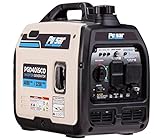
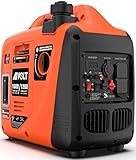

Our Top Picks
 Pulsar PGD40ISCO Ultra Light Quiet 4000W Portable Gas18.9 x 11.4 x 17.3 inches47.3 PoundsCheck on Amazon
 AIVOLT 1600W Super Quiet Inverter Generator 28lbs Portable16.93 x 9.92 x 15.75 inches28 PoundsCheck on Amazon

Top 3 picks at a glance
Quick comparison: the strongest portable options
| Model or class | Fuel | Rated/maximum output | Approximate noise | Best fit | Typical market range |
|---|---|---|---|---|---|
| Honda EU2200i | Gasoline | 1,800 / 2,200 W | 48–57 dB(A), depending on load | Quiet charging, electronics, cooking appliances, and modest hotel loads | Usually $1,100–$1,400 |
| Yamaha EF2200iS | Gasoline | 1,800 / 2,200 W | About 57 dB(A) at rated load | Compact cruising boats needing clean inverter power | Usually $1,000–$1,300 |
| Westinghouse iGen2200 | Gasoline | 1,800 / 2,200 W | About 52–60 dB(A), depending on load | Lower-cost intermittent use where dealer and service support are adequate | Usually $450–$700 |
| Honda EU3200i | Gasoline | 2,600 / 3,200 W | About 56–62 dB(A), depending on load | Air-conditioning startup, larger battery chargers, and higher continuous demand | Usually $2,000–$2,600 |
| Parallel pair of 2,000–2,200 W inverter generators | Gasoline | Roughly 3,600–4,400 W combined | Varies by model and load | Owners who need high output occasionally but want one small unit for normal use | Usually $1,500–$3,000 total |
Noise figures are manufacturer-style measurements and can vary with distance, enclosure, reflections from the hull, and engine load. On a quiet anchorage, even a generator rated below 60 dB(A) can be intrusive if placed on a hard cockpit sole.
1. Match generator output to your real power budget
Do not select a generator by adding only the wattage printed on appliances. Motors and compressors can require a short starting surge, while battery chargers may draw a nearly constant load for hours.
Use this basic calculation:
Continuous load + likely starting surge + safety margin = minimum generator capacity.
For example, a cruising boat might use:
- Battery charger: 900 W
- Refrigerator and freezer compressors: 250 W running, up to 700 W briefly at startup
- Induction cooking appliance: 1,200 W
- Small electronics and watermaker controls: 150 W
The continuous total is approximately 2,500 W. A 2,200-watt generator is therefore undersized even though the appliances may not all start at exactly the same moment. A 3,200-watt model is a better minimum, and the cooktop should be switched off while the watermaker or another high-surge appliance starts.
For a different boat using a 700-watt charger, a 100-watt refrigerator, a 60-watt laptop supply, and a 100-watt television, the continuous total is only 960 W. A Honda EU2200i or Yamaha EF2200iS has useful headroom for this load. Running a generator at roughly 25–75% of its rated output is generally a practical range for efficiency and cooling.
2. Choose the fuel system around your storage and refueling routine
Gasoline: compact and widely supported
Gasoline inverter generators offer the best size-to-output ratio and the broadest choice of quiet models. Honda EU2200i, Yamaha EF2200iS, and Westinghouse iGen2200 are representative options. Their disadvantages are gasoline vapor, limited shelf life, and the need to handle refueling carefully aboard a vessel.
Store fuel only in approved, clearly labeled containers, away from ignition sources and living spaces. Refuel outdoors with the engine stopped and cool. Never refill a hot generator or carry an open fuel container through the cabin.
Dual-fuel: flexibility with extra complexity
Dual-fuel generators can run on gasoline or propane. Propane stores more cleanly and does not varnish a carburetor in the same way gasoline can, but its tanks are bulky, and cold-weather vaporization or regulator problems can reduce performance. The propane output is often lower than the gasoline rating, so compare the separate fuel-specific specifications.
For a boat that already carries a properly installed propane system, dual-fuel may be useful. It is not automatically safer: propane is heavier than air and can collect in low areas, so marine propane storage and leak-detection practices still apply.
Diesel: better for fixed systems than portable use
Portable diesel units can suit commercial or expedition applications, but they are usually heavier, louder, and less convenient for a small cruising boat. If the vessel needs several kilowatts every day, a permanently installed marine diesel generator with a proper exhaust, cooling, fuel, and sound enclosure is normally a better engineering solution than repeatedly moving a portable unit.
3. Treat noise as a boat-layout problem
Inverter generators reduce engine speed when the electrical load is low, which is why they are generally preferable to open-frame contractor generators at anchor. However, decibels do not tell the whole story. A generator mounted directly on a fiberglass cockpit can transmit vibration through the hull, and a bulkhead can reflect exhaust and mechanical noise toward the cockpit or neighboring boats.
- Choose an inverter model with an economy or smart-throttle mode.
- Place it on a rigid, level, noncombustible surface with vibration-isolating feet.
- Keep it as far as practical from sleeping areas, hatches, and neighboring boats.
- Do not improvise a sealed sound box; restricted cooling airflow can cause overheating and carbon monoxide accumulation.
- At night, reduce discretionary loads so the engine can run at a lower speed.
A pair of small generators can be quieter for a light load when only one is operating, while a single larger unit may be less annoying than running two machines to power air-conditioning. The right choice depends on how often the high load occurs.
4. Check corrosion resistance before bringing a generator aboard
Most popular portable inverter generators are not fully marine-rated. Their plastic cases resist splashes better than exposed steel, but the alternator, fasteners, cooling fins, electrical outlets, and control hardware can still corrode in salt air.
Look for practical protection rather than relying on marketing language:
- Protected or covered electrical outlets and controls
- Aluminum or coated structural parts rather than bare mild steel
- Accessible air-filter and oil-drain areas for frequent maintenance
- Replacement parts and service support near your cruising region
- A design that can be lifted without dropping it into the cockpit or overboard
After use near seawater, let the unit cool, wipe salt residue from exposed surfaces with fresh water on a cloth, dry it thoroughly, and inspect fasteners and electrical connections. Do not spray water into the air intake, exhaust, control panel, or generator openings. A breathable cover protects a stored, dry generator; it must not be fitted while the machine is running.
Decision matrix for common boat situations
| Your situation | Recommended capacity | Most suitable direction | Why |
|---|---|---|---|
| 30–36-foot sailboat, charging batteries and running refrigeration | 1,800–2,200 W rated | Honda EU2200i or Yamaha EF2200iS | Good headroom for a charger and small hotel loads without excessive weight |
| Small cruiser with microwave, coffee maker, and charger | At least 1,800 W rated | Quiet 2,200 W inverter class | Use appliances one at a time to avoid exceeding the rated output |
| Boat with air-conditioning or a large watermaker | 2,600–3,200 W rated, or parallel units | Honda EU3200i or a compatible parallel system | More likely to tolerate compressor startup and charger demand |
| Frequent saltwater use with limited service access | 2,000–3,200 W rated | Choose the model with the strongest local parts support | Serviceability and corrosion maintenance matter more than a small price difference |
| Rare emergency use and strict budget | 1,800–2,200 W rated | Westinghouse iGen2200 or similar inverter class | Lower purchase cost, provided the owner accepts less marine-oriented support |
Safety details that matter more on a boat
Never run a portable generator inside a cabin, lazarette, cockpit enclosure, engine compartment, or under a bimini where exhaust can collect. Carbon monoxide can enter through companionways, hatches, vents, and even open windows. Place working carbon-monoxide alarms in sleeping and living areas, but never treat an alarm as permission to run the generator in an enclosed location.
Do not connect a portable generator to the boat’s shore-power inlet with a homemade cable or by backfeeding a receptacle. Use equipment specifically designed for the boat’s electrical system, and have transfer switching, bonding, grounding, and neutral arrangements checked by a qualified marine electrician. A generator’s “clean” inverter output does not eliminate shock or galvanic-corrosion risks.
Frequently asked questions
Can a portable generator run a boat’s air conditioner?
Yes, but it needs enough capacity to handle the air conditioner’s starting surge as well as the boat’s continuous loads. A 2,600–3,200-watt rated generator, or compatible parallel units, is more suitable than a 2,200-watt model. The boat owner may still need to switch off cooking appliances or other high-demand equipment while the compressor starts.
Is a parallel pair better than one larger portable generator?
It depends on how often the boat needs high output. A pair of small inverter generators lets the owner operate only one unit for light loads, while both can provide roughly 3,600–4,400 watts combined when needed. However, two machines add handling and operating complexity, and a single larger unit may be less annoying for sustained high demand.
How should a portable generator be cleaned after saltwater exposure?
After the generator cools, wipe exposed surfaces with fresh water on a cloth, dry the unit thoroughly, and inspect fasteners and electrical connections. Do not spray water into the air intake, exhaust, control panel, or generator openings. A breathable cover can protect a stored, dry generator, but it must never be fitted while the machine is running.
Where should carbon-monoxide alarms be installed on a boat?
Carbon-monoxide alarms should be installed in sleeping and living areas. They do not make it safe to operate a portable generator in a cabin, lazarette, cockpit enclosure, engine compartment, or under a bimini where exhaust can collect. Carbon monoxide can enter through companionways, hatches, vents, and open windows, so generator placement remains critical.
What should I do if my boat uses propane already?
A dual-fuel generator may be useful if the boat already carries a properly installed propane system, but it is not automatically safer. Propane tanks are bulky, and cold-weather vaporization or regulator problems can reduce performance. Propane is heavier than air and can collect in low areas, so marine propane storage and leak-detection practices still apply.
Bottom line
For most sailboats and smaller cruisers, a quiet 2,200-watt gasoline inverter generator is the best balance of cabin-adjacent portability, usable output, and fuel economy. Pick the Honda EU2200i or Yamaha EF2200iS when long-term service support and refinement justify the higher cost; consider the Westinghouse iGen2200 when budget is the priority and local support is acceptable. Step up to the Honda EU3200i or a properly matched parallel system when air-conditioning, induction cooking, or a large battery charger creates starting surges that a 1,800-watt-rated unit cannot handle.