The best red wine vinegar for most cooks is a mid-priced, barrel-aged vinegar in the 6% acidity range — something like Lucini or Napa Valley Naturals — because it delivers real grape character without overpowering dressings, while budget options like Pompeian and Colavita cover marinades and reductions where subtleties cook off anyway. Below, we compare acidity levels, grape varieties, aging methods, bottle sizes, and flavor profiles so you can match the bottle to the job.
As an Amazon Associate we earn from qualifying purchases at no extra cost to you.
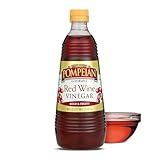
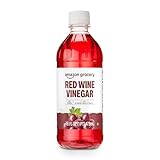

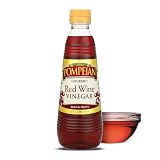
Our Top Picks


Top 3 picks at a glance
What Actually Separates One Red Wine Vinegar From Another
Four specs on the label do almost all the work:
- Acidity (5–7%): Most supermarket bottles sit at 6%. Higher acidity means a sharper bite that holds up in pickling and heavy marinades; lower acidity (or naturally milder vinegars) suit raw dressings where nothing masks harshness.
- Grape variety: Cabernet-based vinegars taste darker and more tannic; Zinfandel leans fruity; blends are neutral and workhorse-like.
- Aging: Stainless-steel-aged vinegars are bright and sharp. Wood-barrel aging (even just 6–12 months) rounds edges and adds vanilla and caramel notes. Truly long-aged bottles cost noticeably more.
- Additives: Check the ingredient list. “Red wine vinegar” alone is ideal; added sulfites are common and harmless for most people, but caramel coloring or added sugar signals a cheaper product.
Best Red Wine Vinegar: Head-to-Head Comparison
| Brand | Acidity | Aging / Grapes | Typical Size | Price Range | Best Use |
|---|---|---|---|---|---|
| Pompeian Red Wine Vinegar | 6% | Blended grapes, stainless-aged | 16–32 oz | Budget (~$3–$5) | Marinades, large-batch vinaigrettes |
| Colavita Red Wine Vinegar | 6% | Italian blend, lightly aged | 17 oz | Budget (~$4–$6) | Everyday dressings, pan sauces |
| Napa Valley Naturals Oak Aged | 6% | Oak-aged, California grapes | 12.7 oz | Mid-range (~$6–$9) | Dressings where flavor shows |
| Lucini Pinot Noir Vinegar | ~6% | Barrel-aged Pinot Noir | 8.5 oz | Mid-to-premium (~$8–$12) | Finishing, delicate greens, reduction glazes |
| Spectrum Organic Red Wine Vinegar | 6% | Organic blend | 12.7 oz | Mid-range (~$5–$8) | General cooking, organic kitchens |
Price spread is real but modest: a premium bottle rarely exceeds $12, so upgrading for raw applications is cheap insurance against a harsh vinaigrette.
Match the Vinegar to the Job: A Decision Matrix
| Your Situation | Recommended Pick | Why |
|---|---|---|
| Weeknight salads, tight budget | Pompeian or Colavita | Sharpness mellows once whisked with oil; savings add up |
| Dressing is the star (simple greens, burrata) | Lucini or Napa Valley Naturals | Barrel notes survive raw use; smoother finish |
| Marinating beef or lamb overnight | Any 6%+ budget bottle | Acid is doing the work; grape nuance disappears into the meat |
| Pan sauce / deglazing | Colavita | Clean acidity, reduces evenly without sweetness |
| Pickling onions or vegetables | Pompeian, large bottle | Reliable acidity, economical at volume |
| Red wine vinegar substitute needed | Sherry vinegar or half balsamic + half water | Same acid range, similar depth |
A Worked Example: Dressing Cost and Acid Balance
Vinaigrette math is where acidity choice becomes concrete. The classic ratio is 3:1 oil to vinegar. For a 1-cup batch:
- ¾ cup olive oil + ¼ cup vinegar at 6% acidity → total acetic acid = 0.25 × 6% = 1.5% of the finished dressing.
- With a sharper 7% vinegar, that rises to 1.75% — roughly 17% more acid, enough to taste noticeably harsher on delicate lettuce.
- Fix: keep the ratio but cut a high-acid vinegar with a tablespoon of water, or shift to 4:1.
Cost check: a ¼ cup pour (2 oz) of a $10 premium bottle at 12.7 oz costs about around $1 per batch; the same pour of a $4, 32 oz budget bottle costs . For a marinade that feeds a slow cooker, budget wins; for a dinner-party salad, around $1 extra is trivial.
How to Read Flavor Profiles Before You Buy
Fruity vs. Tannic
Vinegars from lighter grapes (Pinot Noir, Zinfandel) read berry-forward and work with fruit-based salads. Cabernet and blends skew darker and pair with hearty dishes — think steak salads, roasted root vegetables, lentils.
Barrel-Aged vs. Bright
If the label mentions oak or wood barrels, expect softer acidity with caramel undertones — ideal when the vinegar won’t be cooked. No aging claim means stainless steel: sharper, cleaner, better for reductions where you want pure acid punch.
Bottle Size Strategy
Vinegar is shelf-stable for years, so bigger bottles are safe buys. The exception: premium aged vinegar loses aromatic nuance after a year or so once opened. Buy small bottles of the expensive stuff and large jugs of your everyday marinade vinegar.
FAQ
Is red wine vinegar the same as vinegar made from red wine?
Yes — it’s fermented red wine. Bottles labeled with a specific grape (Pinot Noir, Cabernet) come from that wine; unlabeled ones are blends.
Does red wine vinegar go bad?
Practically no. Cloudiness or a sediment “mother” is harmless and even useful for making your own vinegar. Flavor fades after 2–3 years, but safety isn’t a concern.
Can I substitute white wine vinegar?
In cooked dishes, yes — acidity is identical. In dressings, white wine vinegar is lighter and less fruity, so add a pinch of sugar or use slightly less.
Bottom Line
Buy two bottles: a big, cheap 6% vinegar like Pompeian for marinades and pickling, and a smaller barrel-aged bottle like Lucini or Napa Valley Naturals for raw dressings and finishing. That pairing covers every use case in this guide for under $20 total — and outperforms any single “do-it-all” bottle.