The best espresso machine for beginners is the Breville Bambino Plus if you want the easiest path to consistent espresso, while the Breville Barista Express is better value if you want an all-in-one setup and the Gaggia Classic Evo Pro suits learners who prefer manual control and long-term repairability.
As an Amazon Associate we earn from qualifying purchases at no extra cost to you.


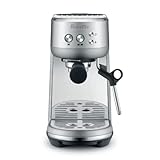
Our Top Picks
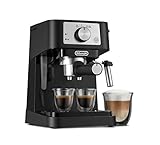
 CASABREWS 3700 Essential Stainless Steel Espresso Machine with13.0*6.5*12.1 inches8.14 PoundsCheck on Amazon

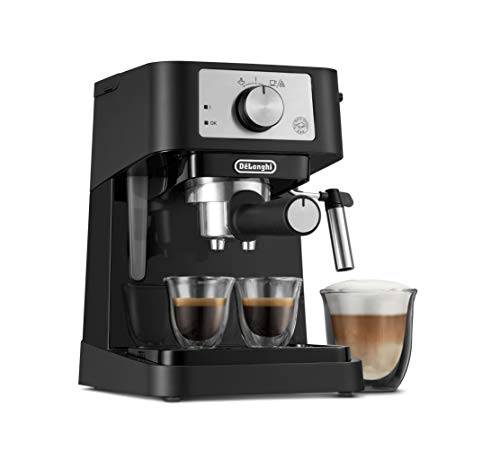
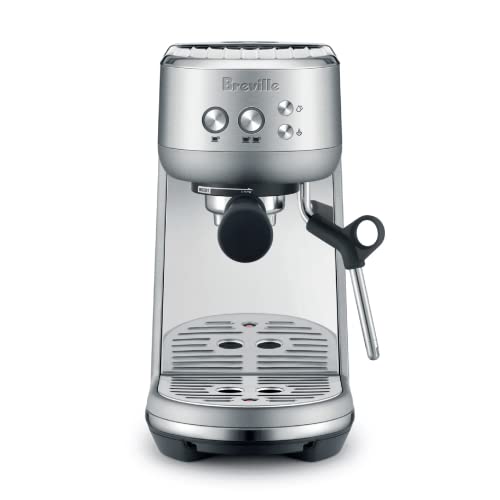
Top 3 picks at a glance
Quick comparison: which beginner machine fits you?
| Machine | Typical machine price | Grinder included? | Setup difficulty | Milk control | Best for |
|---|---|---|---|---|---|
| Breville Bambino Plus | Usually $400–$600 | No | Low | Automatic or manual steam wand | Fast, repeatable drinks with minimal learning |
| Breville Barista Express | Usually $550–$750 | Yes | Medium | Manual steam wand | One compact all-in-one station |
| Gaggia Classic Evo Pro | Usually $400–$550 | No | Medium to high | Manual steam wand | Learning traditional espresso technique |
| Rancilio Silvia | Usually $800–$1,000 | No | High | Manual commercial-style wand | Durable hardware and hands-on control |
| De’Longhi Stilosa | Usually $100–$150 | No | Low to medium | Manual panarello-style wand | Lowest-cost entry point |
Best overall for beginners: Breville Bambino Plus
The Bambino Plus is the strongest choice for most first-time buyers because it heats quickly, uses a standard 54 mm portafilter, and combines simple buttons with useful automation. Its automatic steam wand can stop at a selected milk temperature, which removes one of the hardest beginner tasks: knowing when the milk is hot enough without scalding it.
Its main limitation is that it does not include a grinder. You need a proper espresso-capable burr grinder, not a blade grinder or a basic drip-coffee grinder. A reasonable grinder budget is usually $150–$500, depending on whether you choose a hand grinder or an electric model.
Why it is easy to learn
- Fast heat-up means less waiting between attempts.
- Automatic milk steaming can produce repeatable latte milk while you learn.
- The compact design leaves room for a separate grinder and scale.
- Pressurized baskets can help while using pre-ground coffee, although a non-pressurized basket and freshly ground coffee offer better results later.
Choose the Bambino Plus if you want espresso before work, prefer a short learning curve, or mainly drink lattes and cappuccinos. Choose the regular Bambino if available at a substantially lower price and you are comfortable with manual milk steaming.
Best all-in-one setup: Breville Barista Express
The Barista Express includes a conical burr grinder, dosing controls, a portafilter, and a manual steam wand. That makes it easier to buy as a single package, but it is not automatically easier to master. You must adjust the grind, control the dose, tamp evenly, and steam milk yourself.
Its built-in grinder is convenient and can produce good beginner results, but a separate grinder usually gives finer adjustment, easier cleaning, and a simpler upgrade path. The Express also takes more counter space than the Bambino Plus plus a compact grinder.
Choose it when convenience matters more than maximum flexibility
The Barista Express is a good match for someone who wants one appliance and does not want to compare grinders separately. It is less ideal if two people make coffee simultaneously, because changing from espresso to another grind setting is slower and the integrated grinder becomes part of the workflow.
Best for learning traditional technique: Gaggia Classic Evo Pro
The Gaggia Classic Evo Pro is a compact single-boiler machine with a three-way solenoid valve and a manual steam wand. It offers more direct control than heavily automated machines, but it also exposes beginners to temperature management. Brewing and steaming are separate tasks, so you may need to wait between them.
This machine works best with a capable grinder, a 58 mm-compatible workflow is not applicable here because the Classic uses a 58 mm portafilter, and a small digital scale. Its strengths are straightforward controls, a familiar layout, and a large community of users. Its weaknesses are a slower workflow and a steeper milk-steaming learning curve.
Best premium manual option: Rancilio Silvia
The Rancilio Silvia is built around a robust single-boiler design and a powerful manual steam wand. It can produce excellent espresso, but it is not the easiest first machine. You need to learn dose, grind, brew timing, temperature behavior, and milk texture without automatic assistance.
Buy the Silvia if you enjoy controlling every variable and expect to keep the machine for years. Do not buy it simply because it costs more: the extra price does not remove the need for a good grinder or make dialing in easier.
Best budget choice: De’Longhi Stilosa
The Stilosa is an inexpensive way to make espresso-style drinks, especially with pre-ground coffee and its included pressurized basket. It has a manual milk wand and modest controls, so it is useful for deciding whether you enjoy the routine before spending more.
Its low price comes with compromises. The included accessories and steam system are less refined, temperature control is less sophisticated, and upgrading to a precision, non-pressurized workflow may require additional accessories. It is a sensible starter only when keeping the total budget below roughly $250 matters more than maximum cup quality.
Do not forget the grinder: the real starter cost
For espresso, the grinder often affects consistency more than moving from one entry-level machine to another. A grinder must make fine adjustments without producing excessive clumps or a large amount of uneven dust.
Here is a realistic worked budget for a Bambino Plus setup:
- Machine: about $400–$600
- Espresso-capable grinder: about $200–$450
- Digital scale: about $20–$50
- Distributor or dosing funnel: about $15–$40
- Milk pitcher: about $15–$30
- Cleaning supplies: about $15–$30
Using midpoints, the calculation is approximately $500 + $325 + $35 + $25 + $22 + $22 = $929 before coffee. A Barista Express may cost about $650 and include the grinder, scale, and pitcher, but its built-in grinder is less convenient to replace. The cheapest machine is not necessarily the cheapest usable setup.
How to choose by milk, workflow, and consistency
| Your priority | Recommended direction | Reason |
|---|---|---|
| Consistent lattes with little practice | Bambino Plus | Automatic temperature-controlled steaming reduces one variable |
| One appliance and limited counter space | Barista Express | Its grinder is built into the machine |
| Lowest initial spending | Stilosa | It can work with pre-ground coffee and costs less |
| Manual learning and repair-friendly ownership | Gaggia Classic Evo Pro | Simple controls and a traditional workflow |
| Powerful milk steaming and long-term manual control | Rancilio Silvia | Its commercial-style wand rewards practice |
A beginner recipe that makes troubleshooting easier
Start with a 1:2 brew ratio. For example, put 18 grams of coffee in the basket and aim for 36 grams of espresso in the cup. Begin timing when the pump starts and use approximately 25–35 seconds as an initial target. These numbers are starting points, not universal rules.
- Weigh the coffee dose before grinding.
- Distribute the grounds evenly and tamp level.
- Start the shot and stop at the target yield.
- Taste the espresso before changing anything.
- If it tastes sour and finishes too quickly, grind finer.
- If it tastes harsh and drips very slowly, grind coarser.
- Change only one variable at a time, preferably the grind setting.
A scale matters because the machine’s volumetric button may stop at a different amount as the coffee puck changes. Measuring both dose and yield makes results repeatable across different beans.
Cleaning and ownership effort
After every use, knock out the puck, rinse the basket, wipe and purge the steam wand immediately, and flush the group head briefly. Dried milk is much harder to remove and can block the wand tip.
Once a week, wash removable parts and brush coffee residue from the group area. Backflush machines that support detergent cleaning according to their manuals. Descale when the manufacturer indicates it or when water hardness and usage justify it; frequent unnecessary descaling can be unhelpful, while ignoring scale can reduce heating and water flow.
Machines with automatic milk systems reduce steaming effort but do not eliminate cleaning. The milk path still needs immediate rinsing and periodic deep cleaning. Manual wands are simpler mechanically, but the user must learn technique and clean them every time.
Frequently asked questions
Can I use pre-ground coffee with a beginner espresso machine?
Yes, pre-ground coffee can work, especially with a pressurized basket such as the one included with the De’Longhi Stilosa. However, a proper espresso-capable burr grinder provides finer adjustment and more consistent results. The Bambino Plus can also use pre-ground coffee with pressurized baskets, but freshly ground coffee in a non-pressurized basket generally offers better results as your skills develop.
What equipment do I need besides the espresso machine?
You need an espresso-capable burr grinder, a digital scale, and basic accessories such as a milk pitcher and cleaning supplies. A distributor or dosing funnel can also be useful. The Barista Express includes a grinder, dosing controls, a portafilter, and a manual steam wand, while the Bambino Plus requires a separate grinder and leaves room for these additional tools.
What does a 1:2 brew ratio mean?
A 1:2 brew ratio means the espresso yield should be twice the coffee dose. For example, use 18 grams of coffee and aim for 36 grams of espresso in the cup. Begin timing when the pump starts and use approximately 25–35 seconds as an initial target. These measurements are starting points, so adjust based on taste and flow.
Which machine is easiest if I mainly drink milk-based coffee?
The Bambino Plus is the easiest choice if you mainly drink lattes or cappuccinos because its automatic steam wand can stop at a selected milk temperature. That removes one difficult beginner task while you learn. The Barista Express, Gaggia Classic Evo Pro, Rancilio Silvia, and De’Longhi Stilosa use manual or panarello-style steaming, requiring more user control.
How soon should I clean the steam wand?
Clean the steam wand immediately after every use by wiping and purging it. Dried milk is harder to remove and can block the wand tip. You should also wash removable parts and brush coffee residue from the group area once a week. Automatic milk systems still require immediate rinsing and periodic deep cleaning, even though they reduce steaming effort.
Final recommendation
Buy the Breville Bambino Plus with a good separate burr grinder if you want the best balance of setup difficulty, drink consistency, and milk control. Choose the Barista Express for an all-in-one station, the Gaggia Classic Evo Pro for traditional hands-on learning, the Rancilio Silvia for committed enthusiasts, and the De’Longhi Stilosa when the lowest possible entry cost is the deciding factor.