
“Best laptops” is the broadest laptop search there is, and the honest answer starts with a question rather than a model name: which ecosystem do you live in, and how much memory do you need to stay comfortable for years? Two buyers can both be right while choosing opposite machines. One needs a polished, long-lasting notebook with plenty of memory for work and creative apps. The other needs a cheap, light Windows laptop for email, streaming, and online forms. This guide covers both ends rather than pretending one machine suits everyone.
The seven listings below range from a premium Apple MacBook Air with 16GB of unified memory to low-cost Windows laptops with 4GB of RAM and cloud-storage bundles. Heading into 2026, the gap between those two groups is wide, and the titles show it clearly. Everything is judged from the specs printed in each title, so confirm the final configuration, especially memory and storage, on the product page. Duplicate listings of the same laptop were collapsed into one entry.
Our Top Picks


Top 3 picks at a glance
Quick Picks
As an Amazon Associate we earn from qualifying purchases at no extra cost to you.


| Product | Best for | Key spec from the title |
|---|---|---|
| Apple MacBook Air 13-Inch (M5) | Long-term all-rounder | M5 chip, 16GB unified memory, 512GB SSD |
| HP Everyday Slim Laptop (AMD) | Simple, thin everyday use | 4GB RAM, 128GB SSD, 1TB cloud storage |
| HP 14-Inch Laptop (Intel N150) | Light, portable basics | 4GB RAM, 128GB UFS, 1-year Microsoft 365 |
| HP Everyday Laptop (128GB) | Cloud-first Windows users | WiFi 6, fast charge, Copilot AI |
| 15.6-Inch N4020 Laptop | Lowest-cost large screen | 128GB eMMC, 1TB TF card support, FHD LCD |
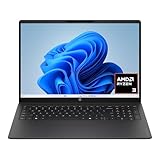
| HP OmniBook 3 16-Inch | Big touchscreen for work and media | 2K touchscreen, 8GB RAM, 512GB SSD |
| Apple MacBook Neo 13-Inch | Entry-level Mac | A18 Pro chip, 8GB unified memory, 256GB SSD |
How to Choose
Start with the operating system
macOS laptops integrate tightly with iPhones and iPads and generally offer strong battery life, while Windows laptops offer far more variety in price, ports, and software compatibility. If you rely on a Windows-only program for work, that decides the matter. If you mostly use a browser, cloud documents, and common apps, either path works, and your phone or tablet ecosystem becomes a useful tiebreaker.
Aim for 8GB of RAM at minimum, 16GB if you can
Four gigabytes is enough to open a browser and a document, but it leaves no room for video calls and many tabs together. Eight gigabytes is a workable floor, and 16GB keeps a laptop comfortable longer, particularly on systems where memory cannot be upgraded later. Unified memory on Apple chips is shared between processor and graphics, so the figure on the listing is all you will ever have.
Pick storage and screen with care
A 256GB drive is the least you should accept for a primary computer, and 512GB gives space for years of files and apps. Cheaper drives such as eMMC or UFS can feel slower than a true SSD. For the display, a sharper panel (2K or a Retina-class screen) makes text and photos look better, and a touchscreen helps with tablet-style use. Brightness and color coverage are worth reading about, since cheap screens are often dim.
Know what you can ignore
Ignore “AI” labels unless you need a specific feature; most daily tasks do not depend on them. Bundled office subscriptions typically last one year, and cloud storage allotments may expire or require a subscription afterward. Battery-hour claims are manufacturer figures, so real-world use is usually lower. Budget laptops commonly cut corners on RAM, screen brightness, and build quality, so spend on those first when you can.
The 7 Best Options
Apple MacBook Air 13-Inch (M5)
The premium all-rounder of the group, for buyers who want a laptop that will stay quick for years. The title lists the M5 chip, a 13.6-inch Liquid Retina display, 16GB of unified memory, a 512GB SSD, and a 12MP Center Stage camera. That memory and storage combination is far above the other listings and suits students, professionals, and anyone who keeps a laptop for a long time.
- Strength: 16GB of unified memory and a 512GB SSD make it comfortable for multitasking and growing libraries.
- Strength: the Liquid Retina display and 12MP camera are strong for video calls and media.
- Trade-off: it sits at the premium tier, and macOS cannot run some Windows-only programs.
Skip it if your budget is tight or your work depends on Windows-only software.
HP Everyday Slim Laptop (AMD)
A thin, simple pick for light users who want a no-frills Windows laptop. The title mentions an AMD processor, 4GB of RAM, a 128GB SSD, 1TB of cloud storage, Copilot AI, Microsoft 365, and a thin, portable design. It makes sense for someone who mostly browses, writes, and keeps files online. A thin profile and the familiar brand also make it an easy gift for a relative who wants a simple laptop without setup headaches or a long list of options to compare.
- Strength: a real SSD is quicker than the eMMC drives found on many cheaper machines.
- Strength: the cloud storage allotment offsets the small 128GB drive.
- Trade-off: 4GB of RAM limits multitasking and long-term use.
Skip it if you plan to keep many tabs and apps open or need a primary work computer.
HP 14-Inch Laptop (Intel N150)
A compact, entry-level choice for the lightest of tasks. The title lists a 14-inch HD display, an Intel N150 processor, 4GB of RAM, 128GB of UFS storage, Intel Graphics, Windows 11 Home, and a one-year Microsoft 365 Personal subscription. It is easy to carry and handles email, web pages, and documents without drama for a first-time or casual user. Think of it as a secondary laptop for the couch, a kitchen counter, or travel, where a lost or damaged machine would be a smaller loss.
- Strength: a small 14-inch body is easy to carry between rooms.
- Strength: the included Microsoft 365 subscription covers essential office apps for a year.
- Trade-off: an HD (not full HD) display and 4GB of RAM feel basic.
Skip it if screen sharpness or memory headroom matters to you.
HP Everyday Laptop (128GB)
Aimed at everyday users who want modern wireless and quick charging. The title lists an Intel CPU, 128GB of storage, Copilot AI, Office 365, 1TB of cloud storage, Windows 11, fast charge, WiFi 6, long battery life, and a lightweight build. It reads like a household laptop for streaming, video calls, and basic documents. Shoppers who value a lightweight body and quick top-ups between meetings will see the point, so long as they confirm the processor and memory on the full product page.
- Strength: WiFi 6 and fast charge are welcome conveniences in a basic laptop.
- Strength: bundled cloud storage helps manage a small local drive.
- Trade-off: the title does not list the processor model or RAM amount.
Skip it if you want the key specs confirmed before buying.
15.6-Inch N4020 Laptop
The lowest-cost large-screen option here, for those who want space and not much else. The title lists a 15.6-inch FHD display, an N4020 processor, 4GB of DDR4 RAM, 128GB of eMMC storage, Windows 11, and support for a 1TB TF card. The expandable storage is the standout feature at this tier. It is a sensible pick for a spare household laptop, a kid’s first Windows machine, or an office for occasional forms and web portals, where speed is secondary to simply having a full-size keyboard and a decent display.
- Strength: a 15.6-inch full HD screen offers room for documents and video.
- Strength: TF card support allows cheap storage expansion.
- Trade-off: the N4020 and 4GB of RAM are the most basic combination in the group.
Skip it if you multitask, work on large files, or need longevity.
HP OmniBook 3 16-Inch
A roomy Windows laptop for people who want a bigger screen and a touch interface. The title lists a 16-inch 2K touchscreen, an AMD Ryzen 3 processor, 8GB of RAM, a 512GB SSD, Radeon 610M graphics, Windows 11 Home, and a Mica Silver finish. It offers a better memory and storage baseline than the cheapest HP models. The larger panel suits spreadsheets, shared screens, and movie nights, though the extra size makes it more of a desk-and-couch laptop than one to carry daily.
- Strength: 8GB of RAM and a 512GB SSD give it more comfortable everyday headroom.
- Strength: the 2K touchscreen is sharper than the basic HD displays elsewhere.
- Trade-off: Radeon 610M integrated graphics are not meant for gaming or heavy editing.
Skip it if you want a compact 13-inch or 14-inch body.
Apple MacBook Neo 13-Inch
An entry-level Mac for buyers who want Apple’s software without the premium memory tier. The title mentions an A18 Pro chip, a Liquid Retina display, 8GB of unified memory, and a 256GB SSD, along with Apple Intelligence features. It targets students and casual users already in the Apple ecosystem. Because the title is silent on ports and battery hours, shoppers should look up both before deciding, especially if they plan to connect an external display or carry the laptop all day.
- Strength: a Liquid Retina display and a modern chip are rare at the entry level.
- Strength: it integrates with other Apple devices for messaging and file sharing.
- Trade-off: 8GB of unified memory cannot be upgraded later.
Skip it if you keep many apps open, need Windows software, or store large libraries locally.
Which One Fits Your Situation
You want one laptop to last as long as possible
The Apple MacBook Air 13-Inch (M5) has the most memory and storage of the group, which matters for longevity.
You want a bigger Windows screen without going to the very bottom
The HP OmniBook 3 16-Inch pairs a 2K touchscreen with 8GB of RAM and a 512GB SSD.
You only browse, email, and stream
The HP 14-Inch Laptop with the Intel N150 and the HP Everyday Slim Laptop cover basic tasks affordably.
You are new to Apple’s ecosystem and want to start small
The Apple MacBook Neo 13-Inch offers a modern chip and a Retina-class display at the entry point.
Common Mistakes
- Choosing a laptop by screen size alone and ignoring RAM and storage.
- Believing a bundled cloud plan replaces enough local storage for the long term.
- Buying a Mac or a Windows machine without checking the software you actually need.
- Counting on the AI branding to make a low-end laptop faster.
- Skipping the warranty and return terms when a listing comes from a third-party seller.
Related guides
- Windows Macos Linux Gaming Performance Comparison Strengths Weaknesses
- Desktop Operating Systems Gaming Performance Strengths Weaknesses
- 5G Home Internet Wifi Modem Settings Low Latency Gaming
Frequently Asked Questions
Is a MacBook better than a Windows laptop?
Neither is better for everyone. Macs excel at battery life and ecosystem integration, while Windows laptops offer more choice and software compatibility.
How much RAM do I need in a new laptop?
Eight gigabytes is a practical floor for most people. Choose 16GB if you plan to keep the laptop for several years or run heavier apps.
Are laptops with eMMC or UFS storage worth it?
They suit light use but are slower than SSDs and often small. Plan on cloud storage or a memory card to compensate.
Do I need a touchscreen?
Not for most tasks, but it helps with note-taking, tablet-style use, and quick navigation. It is a convenience rather than a necessity.









