The best power wheels for kids in 2026 are the Power Wheels Dune Racer for rough backyards, the Peg Perego John Deere Gator XUV for two riders, and a 6V single-seat model like the Power Wheels Lil’ Quad for toddlers — the right choice depends on your child’s age, weight, and the terrain they’ll actually drive on. Below is a practical breakdown by each factor so you can match a ride-on to your kid instead of guessing from the box art.
As an Amazon Associate we earn from qualifying purchases at no extra cost to you.
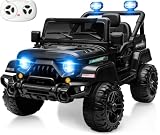


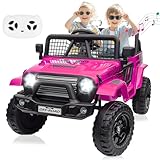
Our Top Picks
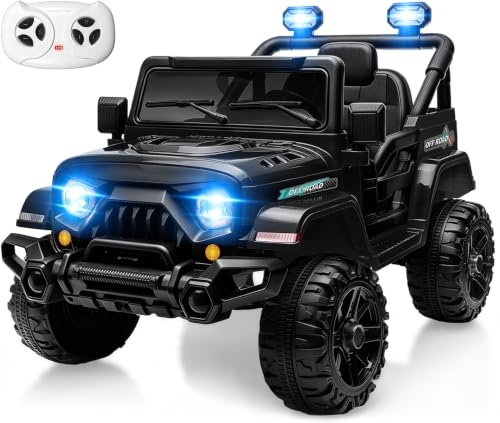 MINIATURE MOTORS 12V Kids Electric Ride on Truck12V39 x 24.4 x 24.4 Inches26.4 poundsCheck on Amazon


Top 3 picks at a glance
Match the Voltage and Size to the Age Range
Voltage is the single biggest safety lever. Higher volts mean more speed and torque, which is great for an 8-year-old on grass and dangerous for a 3-year-old on pavement.
- Ages 1–3 (6V models): Top speed around 2–2.5 mph — roughly adult walking pace. Single seat, simple push-button or foot-pedal drive. The Power Wheels Lil’ Quad and similar small quads fit here. Weight limits are typically 40–45 lbs.
- Ages 3–7 (12V models): The biggest category. Speeds of 2.5–5 mph, usually with a parent-controlled high-speed lockout. Two speeds forward plus reverse. The Power Wheels Jeep Wrangler, Ford F-150 Raptor, and Dune Racer all run 12V.
- Ages 6–10+ (24V models): Speeds up to 8–9 mph and enough torque for hills and grass. Peg Perego’s Polaris RZR 900 and John Deere Gator XUV use 24V systems, as does Razor’s Dirt Quad. These need more supervision and more space.
A note on the stated age ranges: manufacturers print the legal ceiling, not the practical one. A cautious 3-year-old who just turned three will often do better in a 6V for a season than jumping straight to a 12V two-seater.
Weight Limit: The Spec Parents Underrate
Weight limits on ride-ons are usually 65–130 lbs depending on seats. Two things matter here that the spec sheet doesn’t tell you:
- Two riders count together. A Jeep Wrangler rated for 130 lbs handles two 60-lb kids fine — until they pick up a friend. If siblings will share, add their weights and buy with at least 30 lbs of headroom, because overloaded motors drain batteries faster and wear gearboxes.
- Growth room determines value. A 12V model bought for a 3-year-old at 35 lbs gives you four to five years. Bought for a 6-year-old at 55 lbs, you might get two. Run the math before spending $300+.
Battery Runtime: What the Numbers Actually Mean
Boxes advertise vague ranges like “1–2 hours.” Here’s the real calculation. A typical 12V Power Wheels battery is 9.5 amp-hours (Ah). A 12V motor under load on flat pavement draws roughly 5–7A; on grass or uphill, 10–15A.
Worked example: A 9.5Ah battery ÷ 6A average draw on pavement ≈ 1.5 hours of actual drive time. The same battery on thick grass at 12A gives you under 50 minutes. That’s why reviews complain about runtime on lawns — it’s physics, not a defect.
Practical takeaways:
- Buy a spare battery (typically $40–$70) if your kid will ride more than an hour at a stretch. Swapping takes two minutes on most models.
- Charge 18+ hours before first use and never store a lead-acid battery discharged — a battery left flat over winter often won’t recover.
- Grass, hills, and heavier riders each cut runtime roughly 25–40%. Stack all three and a “2-hour” battery dies in 40 minutes.
Terrain Type: Wheels and Motors Decide, Not Marketing
| Terrain | Minimum spec | What to look for | Example models |
|---|---|---|---|
| Pavement / driveway | 6V or 12V | Any hard plastic tire works; lowest wear | Power Wheels Lil’ Quad, most 12V cars |
| Short grass / flat lawn | 12V, two motors | Treaded tires, 5 mph top speed | Power Wheels Jeep Wrangler, Ford F-150 Raptor |
| Thick grass / dirt / gravel | 12V “Monster Traction” or 24V | Wide grooved tires, higher ground clearance | Power Wheels Dune Racer, Peg Perego Gator XUV |
| Hills / trails | 24V | Two-speed gearbox, metal drivetrain parts | Peg Perego Polaris RZR, Razor Dirt Quad |
The Dune Racer earned its reputation specifically because its Monster Traction tires and low-slung chassis handle wet grass and packed dirt where standard plastic wheels just spin. If your yard is mostly lawn, that feature is worth real money. If your kid will only ride on the driveway, you’re paying for capability you’ll never use.
Safety Features That Actually Matter
- High-speed lockout: A screw or pin that limits the shifter to low speed. Essential for new drivers — most 12V models include it.
- Automatic braking: Nearly all ride-ons stop when the foot leaves the pedal. Verify this; it’s the main braking system.
- Power-lock brakes on 24V models: Peg Perego’s system brakes both wheels — meaningful at 8 mph.
- Seat belts: Standard on two-seaters; make sure your kid actually uses them, especially on slopes.
- What’s missing: No ride-on has rollover protection or crumple zones. Keep 24V models off steep slopes entirely.
Decision Matrix: Which Should You Buy?
| Your situation | Recommended class | Typical price range |
|---|---|---|
| Toddler, first ride-on, pavement only | 6V single-seat quad | $80–$150 |
| Age 3–5, mixed yard, one rider | 12V single or 2-seat with lockout | $200–$350 |
| Two siblings sharing | 12V two-seater, 130 lb limit | $300–$400 |
| Age 6+, hills, grass, trails | 24V UTV or ATV style | $400–$700 |
| Small yard / apartment use | Compact 6V or 12V with small turning radius | $100–$250 |
Durability: Where Ride-Ons Actually Fail
The weak points, in order of how often they break: battery (2–4 seasons if maintained, one if neglected), plastic drive gears (stripped by overloading or constant hill starts), pedal switches (cheap to replace, ~$10), and body plastic (fades and cracks in sun within 2–3 years if stored outside). Power Wheels parts are widely available, which is a real argument for buying the big brands over generic ride-ons — a $12 gearbox replacement beats a $300 new vehicle.
FAQ
Can I put a bigger battery in a 12V Power Wheels to make it faster?
Upgrading to 18V or 24V is a popular modification and it does work, but it roughly doubles motor wear and voids warranties. If you do it, upgrade the gears and add a fuse. For most families, buying a 24V model outright is cheaper than burning out a modified 12V.
How long does a Power Wheels battery last per charge?
Expect 45–90 minutes of continuous driving depending on terrain and rider weight — use the calculation above. In practice, kids ride in bursts, so a battery often covers a full afternoon of stop-and-go play.
Is a 24V ride-on safe for a 5-year-old?
Generally no — 8+ mph is too fast for that reaction time. Exception: some 24V models like Peg Perego’s have a low gear limited to ~4 mph, which a mature 5-year-old can handle on flat ground with supervision.
Do ride-ons work in winter?
They drive fine on packed snow, but cold cuts lead-acid battery capacity by 20–30%, and storing the battery in an unheated garage over winter without periodic charging will kill it. Bring the battery indoors.