Our Top Picks
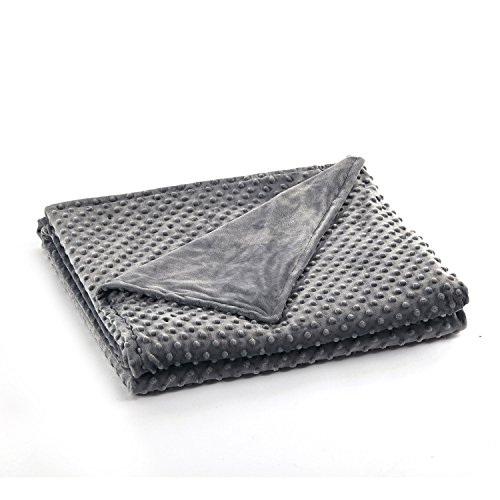

Top 3 picks at a glance
Best Premium Weighted Blankets with Duvet Covers
The best premium weighted blankets with duvet covers over all-season use are breathable glass-bead blankets in a removable cotton, bamboo-viscose, or lyocell cover, chosen at roughly 7–10% of the sleeper’s body weight rather than simply buying the heaviest option.
A well-designed set has two separate jobs: the inner blanket supplies evenly distributed pressure, while the duvet cover controls temperature, texture, laundering, and long-term durability. That separation matters because a plush outer cover may feel comfortable in winter but trap too much heat in summer, while a thin, washable cover keeps the same weighted insert useful throughout the year.
As an Amazon Associate we earn from qualifying purchases at no extra cost to you.


Quick comparison of premium weighted blanket configurations
| Configuration | Typical weight options | Best cover material | Breathability | Best use |
|---|---|---|---|---|
| Glass-bead insert with cotton cover | 10, 12, 15, 20, or 25 lb | Long-staple cotton percale or sateen | High to very high | All-season use and warm sleepers |
| Glass-bead insert with lyocell cover | 10, 12, 15, or 20 lb | Lyocell or TENCEL-style cellulosic fabric | Very high | Hot climates and moisture-prone sleepers |
| Glass-bead insert with bamboo-viscose cover | 10, 15, or 20 lb | Bamboo-derived viscose blend | High | Softness and a smooth, cool hand feel |
| Polyester-filled or microbead blanket | 12, 15, 20, or 25 lb | Microfleece, minky, or plush polyester | Low to medium | Cold bedrooms and winter-only comfort |
| Knitted weighted blanket | 8, 12, or 15 lb | Usually no separate duvet cover | Medium to high | Decorative use and people who dislike enclosed inserts |
How to choose the correct weight
Start with the sleeper’s body weight, but treat the result as a range rather than a rule. A practical adult starting point is 7–10% of body weight. For a 160-pound sleeper, the calculation is:
160 lb × 0.07 = 11.2 lb
160 lb × 0.10 = 16 lb
That makes a 12- or 15-pound blanket a sensible starting choice. The 12-pound option is preferable for a hot sleeper, a smaller bed, or anyone new to weighted blankets. The 15-pound option may provide more noticeable pressure for a larger adult who already likes substantial bedding.
- Under 120 lb: usually consider 8–12 lb.
- 120–180 lb: usually consider 10–15 lb.
- 180–240 lb: usually consider 15–20 lb.
- Over 240 lb: consider 20–25 lb only if the blanket remains easy to move and does not feel restrictive.
Do not use the calculation as a reason to choose an unnecessarily heavy blanket. A weighted blanket should be easy to push away or remove. Children, older adults, people with limited mobility, and anyone with breathing, circulation, or temperature-regulation concerns should ask a qualified clinician before using one. Weighted blankets are not appropriate for babies, and they should not cover a child’s face or restrict movement.
Fabric comparison: which cover works all year?
Cotton percale
Percale is a strong all-season choice because its plain weave feels crisp and allows good airflow. It is particularly suitable for people who wake warm or want a cover that feels more like traditional bed linen. A tightly woven cotton cover is also less likely to snag on the insert’s corner ties. The trade-off is that percale can feel less silky than sateen and may wrinkle more after washing.
Cotton sateen
Sateen uses a smoother weave and usually feels softer and slightly warmer than percale. It works well in moderately cool rooms and is comfortable against bare skin, but it may not release heat as quickly. Look for durable stitching around the zipper and tie points because those areas experience the most stress when the heavy insert is installed.
Lyocell and bamboo-derived viscose
Lyocell and bamboo-viscose covers are smooth, soft, and often effective at moving moisture away from the skin. They are good choices for sleepers who dislike the rougher feel of plain cotton. However, a very soft fabric is not automatically more durable: repeated high-heat drying can weaken fibers, cause shrinkage, or damage elastic components. A blended construction can improve longevity while preserving the cool hand feel.
Polyester fleece and plush fabrics
Fleece and minky covers provide the warmest, coziest surface but are usually poor choices for hot sleepers or year-round use. Polyester can retain body heat and may hold odors longer than a breathable woven cover. These fabrics make more sense as an interchangeable winter cover, not as the only cover for a premium blanket.
Construction details that matter more than thread count
Look for small, evenly filled squares or channels rather than a few oversized compartments. Smaller compartments reduce bead migration and help prevent one side of the blanket from becoming noticeably heavier. Interior baffles, double stitching, and securely sealed glass beads are important for long-term reliability.
- Glass beads: generally provide a thinner, quieter insert than plastic pellets and are a strong choice for breathable bedding.
- Corner and edge ties: keep the insert from sliding inside the duvet cover.
- Full-length zipper: makes installation easier and reduces strain on the fabric.
- Reinforced seams: matter because a 15-pound insert repeatedly pulls on the cover during turning and washing.
- Separate cover: allows frequent cleaning without putting the weighted core through unnecessary wash cycles.
Size also affects perceived pressure. A 15-pound blanket spread across a large king-size surface applies less pressure per square foot than a 15-pound throw-sized blanket. Choose a blanket sized for the person, not necessarily the entire mattress, unless the manufacturer specifically designs the insert for bed-wide use.
Decision matrix for different sleepers
| Your situation | Recommended insert | Recommended cover | Why |
|---|---|---|---|
| Sleeps hot or lives in a humid climate | 7–10% body weight, glass beads | Cotton percale or lyocell | Reduces heat and allows moisture to escape |
| Wants one blanket for most seasons | Moderate weight, usually 10–15 lb | Removable cotton cover plus optional winter cover | One insert can be adapted without buying another weighted core |
| Feels cold at night | 7–10% body weight, glass or pellet fill | Brushed cotton or plush polyester | Adds surface warmth without requiring excessive weight |
| Has sensitive skin | Light or medium insert | Washed cotton, lyocell, or bamboo-viscose | These fabrics are generally smoother and easier to launder |
| Needs frequent washing | Machine-washable insert only if specified | Durable cotton or lyocell with a strong zipper | The cover handles routine cleaning while protecting the core |
| New to weighted blankets | Lower end of the recommended range | Breathable, non-plush fabric | It is easier to assess comfort without overheating or feeling trapped |
Washing and care instructions
Always follow the sewn-in care label first, because weighted inserts differ in construction. The duvet cover can often be washed weekly or every one to two weeks, while the inner blanket may need cleaning only several times per year if it remains inside the cover.
- Remove the insert. Untie every corner and side tie before opening the zipper. Pulling on a partially attached insert can stress the cover seams.
- Check the machine capacity. A wet 15- to 20-pound blanket becomes substantially heavier. If the insert cannot move freely in the drum, use a commercial front-loading washer rather than forcing it into a small home machine.
- Use cool or warm water and a gentle detergent. Avoid bleach, fabric softener, and harsh stain removers unless the care label permits them. These products can weaken fibers or leave residue that reduces breathability.
- Choose low spin and gentle agitation. Excessive mechanical force can damage baffles, seams, and bead containment.
- Dry completely. A damp weighted insert can develop odor or mildew. Air-dry flat when possible; if tumble drying is allowed, use low heat and pause periodically to redistribute the fill.
- Wash the cover separately. Close the zipper before laundering, turn the cover inside out, and avoid overloading the machine. This protects the zipper and reduces abrasion.
Never iron a weighted insert, and do not dry-clean a product unless its manufacturer explicitly approves that method. Inspect the blanket after washing for leaking beads, open seams, damaged ties, or clumping. Stop using it if the filling is escaping.
Best overall buying approach
For most adults, the strongest premium configuration is a glass-bead insert in the 10–15-pound range, divided into small quilted compartments, with a breathable cotton percale or lyocell duvet cover. Add a separate brushed or plush cover only if the bedroom is cold. This approach costs more initially than a single-piece blanket, but it improves hygiene, seasonal flexibility, and service life.
Prioritize the correct weight, secure construction, washable cover, and documented care instructions before paying extra for decorative packaging or an unusually high fabric thread count. The best choice is the one that delivers steady pressure without overheating, remains easy to move, and can be cleaned without damaging the insert.
Frequently asked questions
Can I use a weighted blanket without its duvet cover?
You can, but a separate cover is generally the more practical configuration. The inner blanket supplies pressure, while the cover controls temperature, texture, laundering, and durability. Using a removable cover allows frequent cleaning without putting the weighted core through unnecessary wash cycles and helps protect the insert from routine wear.
Should a weighted blanket cover the whole mattress?
Not necessarily. Choose a blanket sized for the person rather than automatically choosing one that covers the entire mattress, unless the manufacturer specifically designs the insert for bed-wide use. Size affects perceived pressure: the same weight spread over a larger surface applies less pressure per square foot than a smaller throw-sized blanket.
How do I keep the weighted insert from shifting inside the cover?
Use a duvet cover with corner and edge ties, and attach every tie before closing the zipper. Small, evenly filled compartments, interior baffles, and reinforced seams also help keep the filling distributed and reduce migration. Untie every corner and side tie before removing the insert so the cover seams are not stressed.
How often should I wash the weighted blanket itself?
The duvet cover can often be washed weekly or every one to two weeks, while the inner blanket may need cleaning only several times per year if it stays inside the cover. Always follow the sewn-in care label first. Before washing, check whether the insert can move freely in the machine and dry it completely afterward.
What should I do if the blanket feels too hot?
Choose a breathable cover such as cotton percale or lyocell, and consider the lower end of the recommended weight range. Avoid fleece, minky, and plush polyester as the only cover because they can retain body heat. A thinner, washable cover can keep the same weighted insert useful throughout the year without adding unnecessary surface warmth.