A slow leak in a hot tub shell, a cracked fitting, or a punctured vinyl liner can quietly drain hundreds of gallons before you even notice the water level dropping. The frustration is real: you spot the problem, search for a fix, and find yourself staring at a dozen sealers, patch kits, and adhesives that all promise to solve the issue without draining the tub or calling a plumber.
What separates a genuinely effective repair from a wasted purchase comes down to three things: the type of damage (a pinhole in acrylic versus a tear in inflatable vinyl), the material compatibility, and whether the product works underwater or requires a dry surface. We compared published specifications, current pricing, and aggregated owner feedback across these eight options to help you match the right repair solution to your specific problem without overspending or underperforming.
As an Amazon Associate we earn from qualifying purchases at no extra cost to you. Product prices and availability are accurate as of the date shown and are subject to change.




Top 3 picks at a glance
Quick Picks
| Product | Best for | Price |
|---|---|---|
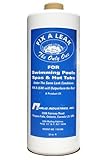
| Fix-A-Leak by Marlig 32 oz White | Sealing pinhole leaks in hard-shell spas | $35.50 |
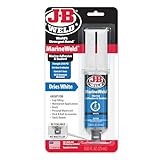
| J-B Weld MarineWeld Syringe 25 ml | Cracked fittings and small shell damage | $5.77 |
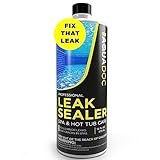
| AquaDoc Hot Tub Leak Sealer 16 oz | Quick underwater leak sealing without draining | $21.99 |
| Fix-A-Leak Pool Spa Hot Tub 32 oz | Multiple leaks across a larger tub system | $35.50 |
| EPN Air Mattress Patch Kit 80 mL | Inflatable pool and spa surface tears | $9.99 |
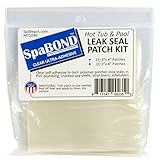
| SpaBOND Leak Seal Patch Kit | Vinyl, PVC, and acrylic patch repairs | $24.95 |
| Breliter Inflatable Patch Repair Kit | Emergency patches on inflatable structures | $6.99 |
| Marlig Fix-A-Leak Pool and Spa 32 oz | Hard-shell spa pinhole leak sealing | $35.50 |
How We Picked
We evaluated these products against four criteria that matter most for hot tub repair. First, material compatibility: a sealer that bonds to acrylic but fails on vinyl is only half a solution. Second, application conditions: whether the product requires a completely dry surface or can work with water present, which determines whether you need to drain a 300-gallon tub before fixing a two-dollar fitting. Third, cure strength and longevity based on manufacturer claims and owner-reported durability over months of use. Fourth, value per repair: some products treat a single pinhole while others cover an entire spa perimeter, so price per square inch of repair area factors in alongside the sticker price.
The 8 Best Hot Tub Repair in 2026
Fix-A-Leak by Marlig 32 oz White
This liquid sealer targets pinhole leaks in hard-shell spas without requiring you to drain the tub, which makes it a practical choice for homeowners who want a weekend fix rather than a project that consumes an entire day. It pours directly into the water and migrates toward the leak under pressure.
- Pro: Works underwater, eliminating the need to drain the spa before application.
- Pro: A 32-ounce bottle covers multiple pinhole leaks in a standard tub.
- Con: Ineffective on large cracks or splits wider than a pinhole; it seals by migration, not bridging.
Skip this if your damage is a visible crack rather than a slow drip or unidentified seep.
J-B Weld MarineWeld Syringe 25 ml
The MarineWeld is a two-part epoxy designed for bonding wet surfaces, including saltwater environments. For hot tub owners dealing with a cracked jet fitting, a broken manifold, or a small stress fracture in the shell, this syringe delivers a structural repair rather than a seal.
- Pro: Bonds to wet surfaces, so minor residual moisture will not compromise the repair.
- Pro: Cures to a rigid, water-resistant patch with high shear strength.
- Con: The 25 ml syringe is limited in volume; larger cracks may require multiple units.
Skip this if you need something flexible, such as for a vinyl liner tear or inflatable pool wall.
AquaDoc Hot Tub Leak Sealer 16 oz
AquaDoc positions itself as a straightforward underwater leak sealer for spas and hot tubs, and the 16-ounce bottle is sized for a single tub. It appeals to owners who want a no-drain fix for a suspected pinhole or minor fitting seep without committing to a larger container.
- Pro: Designed specifically for hot tub applications, so chemistry compatibility is a stated focus.
- Pro: Mid-range price makes it a low-risk attempt before calling a professional.
- Con: The 16-ounce volume may not be enough for tubs with multiple leak points.
Skip this if you suspect a plumbing-side leak in the heater or pump housing, which sealers cannot address.
Fix-A-Leak Pool Spa Hot Tub 32 oz
This entry is the same chemical formulation as the Marlig version above but packaged and marketed as a general pool-and-spa product. The distinction matters if you want a bottle that covers both your hot tub and an in-ground pool during a single maintenance cycle.
- Pro: Large volume handles an entire system, not just one fixture.
- Pro: Consistent owner feedback indicates it holds through normal chemical cycling.
- Con: Premium price at $35.50 is only justified if you have more than one leak to treat.
Skip this if you have a single confirmed pinhole and want to avoid buying excess product.
EPN Air Mattress Patch Kit 80 mL
Though labeled for air mattresses, this waterproof vinyl patch kit functions well on inflatable hot tubs and pool liners where a tear has opened up. The 80 mL adhesive plus patch material gives you a bonded repair rather than a temporary tape hold.
- Pro: Inexpensive enough to keep on hand as a seasonal emergency supply.
- Pro: Flexible bond suits vinyl and PVC surfaces that expand and contract.
- Con: Not designed for hard acrylic or gelcoat shells; the bond will not hold on rigid surfaces.
Skip this if your tub is a hard-shell unit rather than an inflatable or vinyl-lined model.
SpaBOND Hot Tub and Pool Leak Seal Patch Kit
SpaBOND markets a clear ultra-adhesive patch kit that spans vinyl, PVC, and acrylic surfaces, which gives it broader material compatibility than most single-purpose sealers in this category. The patch format means you are applying a bonded overlay rather than hoping a liquid migrates to the right spot.
- Pro: Works across three common hot tub materials, reducing the guesswork of material identification.
- Pro: Clear finish minimizes visual impact on light-colored shells.
- Con: Requires a dry, clean surface for proper adhesion, meaning you will need to drain or isolate the area.
Skip this if you cannot shut down and dry the tub before the repair window.
Breliter Inflatable Patch Repair Kit
Breliter’s kit provides ten square patches of TPU repair tape at a fraction of the cost of any liquid sealer on this list. For inflatable hot tubs with a small puncture, this is a fast, no-mix, no-cure solution that gets the tub back in service within minutes.
- Pro: Lowest price per patch of any product reviewed; ten pieces mean mistakes are cheap.
- Pro: No adhesive mixing, no cure time, no draining required on inflatables.
- Con: TPU tape will not bond permanently to acrylic or gelcoat; it is strictly for flexible materials.
Skip this for hard-shell repairs; it is purpose-built for inflatable and flexible surfaces only.
Marlig Fix-A-Leak Pool and Spa 32 oz
The final entry rounds out the group with another Marlig-branded 32-ounce sealer. For buyers who encountered the product under a different listing name, this is the same active formulation: a liquid that follows pressurized water to its exit point and hardens into a seal.
- Pro: Proven track record in owner reviews for stubborn, hard-to-locate seeps.
- Pro: Single-bottle application is simple enough for any homeowner without plumbing knowledge.
- Con: Cannot bridge a gap; the leak must be small enough for the sealer to migrate into and plug.
Skip this if you can see daylight through the crack; no liquid sealer will close a visible gap reliably.
Buying Guide
Match the Product to Your Tub Material
Hard-shell hot tubs use acrylic, gelcoat, or rotomolded plastic. Inflatable tubs use PVC or TPU vinyl. Liquid migration sealers like Fix-A-Leak are formulated for rigid shells with pinhole leaks. Patch kits like SpaBOND and EPN are built for flexible vinyl surfaces. Applying the wrong type wastes money and can make the damage worse if adhesive residue interferes with a proper repair later.
Drain vs. No-Drain: How Much Disruption Can You Tolerate?
A no-drain sealer saves hours of labor but only works on tiny leaks that water pressure can guide the product toward. A patch or epoxy requires the surface to be dry and clean, which means draining, drying, and often sanding before application. If your leak is visible and larger than a pinhole, accept the drain time and use a structural repair product instead of a liquid sealer that will not bridge the gap.
Assess the Leak Before Choosing
Before buying anything, confirm whether the water loss is from the shell, the plumbing, or evaporation. Mark the waterline and wait 24 hours with the cover on. If the level drops only when the jets run, the leak is likely in the plumbing manifold, which no surface sealer or patch kit will fix. If it drops regardless of pump status, the shell or liner is the source, and any product above becomes a candidate.
Our Verdict
For the most common hot tub repair scenario, a slow pinhole leak in a hard-shell spa, the Fix-A-Leak 32 oz remains the top pick. It requires no draining, covers multiple leak points in one application, and holds up through normal chemical maintenance. Budget-conscious owners with a single small crack in a fitting or manifold will get the best value from the J-B Weld MarineWeld at under six dollars, provided they can dry the repair area. If your situation shifts from a pinhole to a visible tear in a vinyl or TPU liner, the SpaBOND patch kit wins because its multi-material adhesive creates a bonded overlay that no liquid sealer can replicate.
FAQ
Can I fix a hot tub leak without draining it?
Yes, but only if the leak is a pinhole or very small seep. Liquid migration sealers are designed to work underwater and plug tiny openings. Larger cracks or visible gaps require draining and a patch or epoxy application.
How long does a sealer repair last?
Owner feedback on migration sealers typically reports holding through a full season or longer when water chemistry is maintained within normal ranges. Structural repairs with epoxy or bonded patches tend to last years because they create a physical bridge over the damaged area.
Will any of these products work on an inflatable hot tub?
The EPN and Breliter kits are designed for flexible vinyl and TPU surfaces found on inflatables. Liquid sealers and epoxy are not effective on inflatable materials because they cannot form a flexible bond that moves with the wall.
What if I cannot find the leak at all?
A migration sealer is specifically useful here because you do not need to identify the exact leak point; the product follows pressurized water to the opening. If the sealer fails to stop the loss, the leak is likely in the plumbing under the cabinet, which requires a professional diagnosis.