Our Top Picks
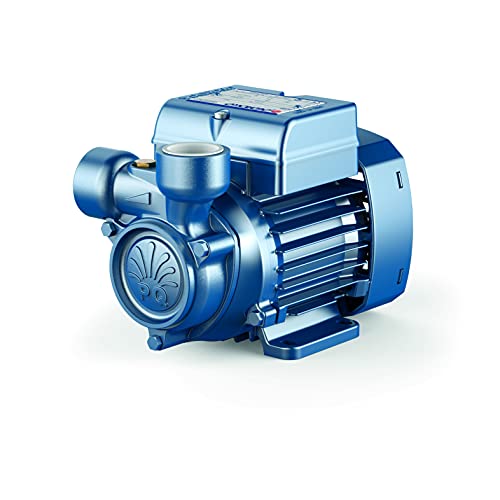
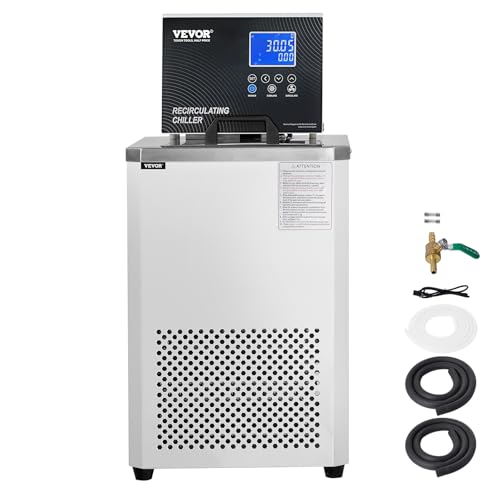

Top 3 picks at a glance
The Short Answer
The amount of power a liquid cooling pump uses depends entirely on its application, motor size, and flow rate. For a standard desktop PC liquid cooling loop (utilizing popular D5 or DDC pumps), power consumption ranges from 15 to 30 watts at maximum speed. Small, battery-operated transfer or siphon pumps draw even less, typically between 3 and 10 watts.
However, when scaling up to home utility systems, agricultural water transfer, or laboratory equipment, the power requirements increase dramatically. A standard 0.5 to 0.75 horsepower (HP) booster pump uses between 350 and 800 watts of electricity during active operation. Heavy-duty laboratory chiller circulators, which combine a powerful recirculating pump with an active refrigeration compressor, pull between 500 and 1,500 watts.
As an Amazon Associate we earn from qualifying purchases at no extra cost to you.


Because power consumption directly correlates with motor size, the physical footprint of these pumps varies from a tiny 3-inch cube that fits in the palm of your hand to large, 50-pound benchtop appliances. Understanding both the wattage and the physical dimensions of these units is essential for planning your installation space, electrical load, and ventilation requirements.
Standard Sizes
To help you plan your installation, the table below outlines the standard sizes, power draws, weights, and average price ranges for the most common classes of liquid cooling and water transfer pumps available on the market.
| Pump Class & Type | Average Power (Watts) | Dimensions (Inches) | Dimensions (cm) | Weight (lbs / kg) | Price Range ($) |
|---|---|---|---|---|---|
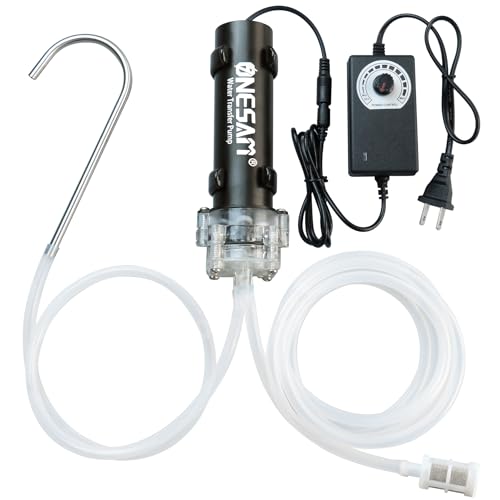
| Battery Siphon / Transfer | 3W – 10W | 2.0″ x 2.0″ x 14.0″ | 5.1 x 5.1 x 35.6 cm | 1.0 – 1.5 lbs / 0.5 – 0.7 kg | $20 – $45 |
| PC Liquid Cooling (D5/DDC) | 15W – 30W | 3.5″ x 3.5″ x 3.5″ | 8.9 x 8.9 x 8.9 cm | 1.5 – 3.0 lbs / 0.7 – 1.4 kg | $75 – $200 |
| Low-Voltage Utility Siphon | 15W – 50W | 4.0″ x 3.0″ x 6.0″ | 10.2 x 7.6 x 15.2 cm | 2.0 – 4.0 lbs / 0.9 – 1.8 kg | $25 – $60 |
| Heavy-Duty Booster (0.7 HP) | 500W – 800W | 10.5″ x 6.5″ x 6.5″ | 26.7 x 16.5 x 16.5 cm | 15.0 – 25.0 lbs / 6.8 – 11.3 kg | $150 – $800 |
| Laboratory Chiller Circulator | 500W – 1,500W | 11.5″ x 15.5″ x 20.0″ | 29.2 x 39.4 x 50.8 cm | 45.0 – 65.0 lbs / 20.4 – 29.5 kg | $400 – $1,200 |
How to Measure Your Space
Installing a liquid cooling pump requires careful spatial planning to prevent kinking hoses, overheating motors, or structural strain on mounting brackets. Follow these steps to measure your installation area accurately:
- Measure the True Footprint: Measure the width, depth, and height of the raw pump unit. For larger utility pumps or benchtop laboratory chillers, ensure your shelf or floor space can handle the physical width and depth without overhanging the edges.
- Account for Fitting and Hose Clearance: Never plan your space based on the pump’s body dimensions alone. Liquid cooling pumps require intake and outlet fittings. Add at least 2 to 3 inches (5 to 7.6 cm) of clearance on any side where hoses or rigid tubing will connect to prevent tight bends and restricted flow.
- Calculate Vertical Height for Reservoirs: If you are using a combined pump-and-reservoir unit (common in PC cooling and laboratory setups), measure the total vertical assembly height. Ensure you have at least 1.5 inches (3.8 cm) of overhead clearance to safely fill and seal the reservoir without spilling liquid onto nearby electronics or flooring.
- Verify Ventilation and Heat Zones: High-power pumps and active chillers generate ambient heat. For utility pumps and chillers, leave a minimum of 4 to 6 inches (10 to 15.2 cm) of open air space around the cooling vents or motor shroud to prevent thermal throttling.
- Assess Load-Bearing Capacity: Heavy-duty booster pumps and laboratory chillers can weigh anywhere from 15 to over 65 pounds when filled with liquid. Verify that your shelving, desk, or mounting brackets are rated for at least 1.5 times the filled weight of the equipment.
By Room or Use Case
The Home Office or Gaming Station (PC Loops)
In a home office or gaming setup, liquid cooling pumps are used to keep high-performance CPUs and GPUs running at optimal temperatures. These pumps are incredibly compact, typically measuring around 3.5 inches in all directions. Because they pull a modest 15 to 30 watts, they run directly off your computer’s power supply unit (PSU) via a 12V SATA or Molex connector. They require virtually no extra room ventilation beyond standard PC chassis airflow, making them perfect for tight desk spaces and compact custom builds.
The Utility Room or Basement (Booster & Transfer Pumps)
If you are managing water pressure, radiant floor heating loops, or basement water transfer, you will need a dedicated utility booster pump. These units are much larger, weighing up to 25 pounds, and require a solid concrete floor or a heavy-duty wall mount. Pulling 500 to 800 watts, they must be plugged directly into a standard 110V/120V wall outlet—ideally on a dedicated circuit if running continuously. Because they generate physical vibrations, mounting them on rubber dampening pads is highly recommended to keep noise from traveling through your home’s framing.
The Workshop, Garage, or Laboratory (Active Chillers)
For demanding applications like laser engraving, CNC machining, or laboratory experiments, an active recirculating chiller is required. These are large benchtop or floor-standing appliances that consume 500 to 1,500 watts of power due to their internal refrigeration compressors. Weighing up to 65 pounds when filled with coolant, they require a dedicated, level workbench or heavy-duty rolling cart. As we look ahead to 2026, energy-efficient smart chillers are becoming the standard, but they still require significant breathing room—at least 6 inches of clearance on all sides—to exhaust hot air effectively from the workspace.
Common Sizing Mistakes
- Underestimating Hose Bend Radii: Many buyers measure the exact cabinet or chassis space but forget that water hoses cannot bend at sharp 90-degree angles without kinking. Always add several inches of clearance around the inlet and outlet ports.
- Over-Specifying Pump Power: Buying a high-wattage booster pump when a small low-voltage transfer pump would suffice leads to excessive electricity bills, unnecessary plumbing noise, and premature wear on valves and fittings due to high pressure.
- Ignoring the Weight of Coolant: A pump’s dry weight is only half the story. Large laboratory chillers or home booster loops hold gallons of water. Since water weighs approximately 8.34 pounds per gallon (1 kg per liter), failing to calculate the liquid weight can lead to sagging shelves or broken mounts.
- Sharing Circuits with High-Draw Appliances: Plugging a 1,000-watt laboratory chiller or a 750-watt utility booster pump into the same electrical outlet circuit as other heavy machinery or high-end computers can easily trip your home breaker. Always calculate your total circuit load before installation.
FAQ
Does a liquid cooling pump run at maximum power all the time?
No. Most modern liquid cooling pumps, especially PC D5/DDC pumps and advanced laboratory chillers, utilize Pulse Width Modulation (PWM) or variable speed dials. This allows the pump to scale its speed—and its power consumption—down to as low as 3 to 5 watts when the system is idling, only ramping up to full wattage under heavy thermal loads.
How much does it cost to run a liquid cooling pump per month?
For a PC cooling pump drawing 20 watts and running 8 hours a day, the cost is negligible—typically less than around $0 per month depending on local utility rates. However, a 750-watt utility booster pump running continuously 24/7 will consume about 540 kilowatt-hours (kWh) per month, which can add $60 to $100 or more to your monthly electric bill.
Can I run a liquid cooling pump on a standard 110V home outlet?
Yes, almost all residential utility pumps, siphons, and benchtop chillers designed for the North American market operate on standard 110V/120V alternating current (AC). Battery-powered siphon pumps run on standard AA or D-cell batteries, while PC pumps run on 12V direct current (DC) supplied by the computer’s internal power supply.
How do I know if my pump is too weak for my system?
If your pump is underpowered, you will notice poor flow rates, air bubbles trapped in the high points of your tubing, and rapidly rising temperatures in your heat source. Ensure your pump’s rated “head pressure” (the vertical height the pump can push liquid) exceeds the physical height and resistance of your cooling loop.