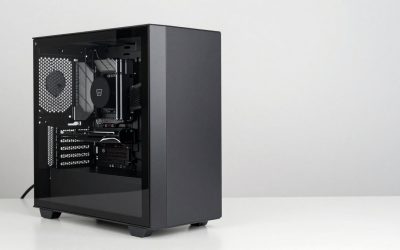
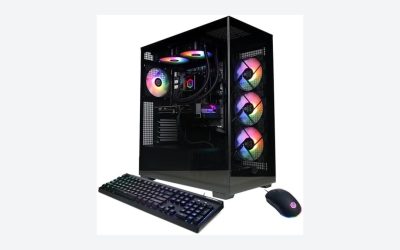
Our Top Picks


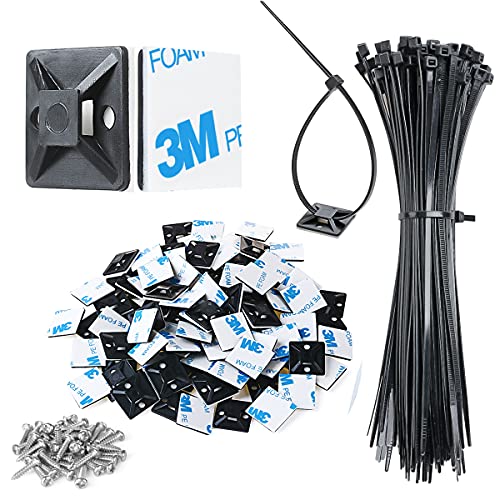

Top 3 picks at a glance
The Short Answer
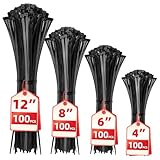
For most home, office, and entertainment center setups, the best zip tie sizes for cable management are 4-inch, 6-inch, and 8-inch ties. Specifically, 4-inch ties (with an 18-pound tensile strength) are ideal for thin cords like phone chargers, mouse cables, and internal PC builds. Meanwhile, 8-inch ties (with a 40- to 50-pound tensile strength) are the industry standard for bundling thick HDMI cables, power strips, and heavy-duty appliance cords.
When shopping for cable management solutions, purchasing an assorted pack of nylon zip ties (typically ranging from 4 to 12 inches) is the most cost-effective approach. These multi-packs usually cost between around $5 and around $10 for 100 to 400 pieces, offering the versatility needed to tackle various bundle thicknesses across different rooms.
As an Amazon Associate we earn from qualifying purchases at no extra cost to you.


Standard Sizes
Understanding the standard dimensions, widths, and weight capacities of zip ties is crucial for selecting the right fastener. Using a tie that is too weak can cause it to snap under tension, while using one that is too thick may prevent it from fitting into tight spaces or mounting brackets.
Below is a comprehensive guide to standard zip tie sizes commonly used for home and office cable organization:
| Length (Inches) | Length (Centimeters) | Average Width (Inches / mm) | Tensile Strength (Lbs / Kg) | Maximum Bundle Diameter | Best For |
|---|---|---|---|---|---|
| 4 inches | 10.1 cm | 0.10 in / 2.5 mm | 18 lbs / 8 kg | 0.85 inches (2.1 cm) | USB cables, headphone wires, internal PC components |
| 6 inches | 15.2 cm | 0.14 in / 3.6 mm | 30 to 40 lbs / 13 to 18 kg | 1.50 inches (3.8 cm) | Laptop chargers, desk power cords, small appliance wires |
| 8 inches | 20.3 cm | 0.18 in / 4.6 mm | 40 to 50 lbs / 18 to 22 kg | 2.00 inches (5.0 cm) | TV setups, game consoles, power strip bundles |
| 12 inches | 30.4 cm | 0.19 in / 4.8 mm | 50 to 75 lbs / 22 to 34 kg | 3.00 inches (7.6 cm) | Heavy extension cords, workshop tools, outdoor wiring |
| 15 inches+ | 38.1 cm+ | 0.30 in / 7.6 mm+ | 120 lbs+ / 54 kg+ | 4.00 inches+ (10.1 cm+) | Industrial routing, server racks, heavy garden hoses |
How to Measure Your Space
To avoid buying the wrong size, you should calculate the physical space your cable bundle will occupy before making a purchase. Follow these steps to determine the exact zip tie length you need:
- Group and Compress: Gather all the cables you plan to bundle together. Hold them firmly in one hand, compressing them into a tight, circular shape. Do not squeeze so hard that you pinch or bend the cords, but ensure there is no unnecessary slack between them.
- Measure the Circumference: Wrap a flexible sewing tape measure or a simple piece of string around the compressed bundle. Mark the point where the tape or string overlaps.
- Calculate the Minimum Length: Measure the string against a standard ruler. This measurement is your bundle’s circumference. To find the correct zip tie length, add at least 2 to 3 inches to this number. This extra “tail” length is necessary so you can easily feed the tip of the tie through the locking head and pull it tight with your fingers or a tensioning tool.
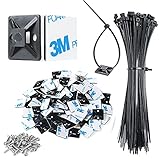
- Account for Mounting Hardware: If you plan to route your cables along walls or under a desk using self-adhesive mounting bases (which typically cost around $7 to around $12 for a 100-pack), add an extra 0.5 inches to your measurement. The zip tie must pass through the eyelet of the mount, which slightly reduces the usable loop diameter.
By Room or Use Case
Different areas of your home present unique cable management challenges. Here is how to select the ideal zip tie sizes and materials based on the specific room or application.
Home Office & Desk Setup
Modern desk setups require a clean aesthetic to maximize productivity. For routing keyboard, mouse, and monitor cables down a desk leg, 6-inch reusable hook-and-loop (Velcro) straps are highly recommended. These adjustable straps usually cost between around $4 and around $7 for a pack of 60. Because computer setups change frequently as you add or upgrade peripherals, reusable straps allow you to add a new cable to the bundle without cutting and wasting a plastic tie. For semi-permanent fixtures under the desk, such as mounting a heavy power brick to a desk frame, use 8-inch standard nylon zip ties paired with 1-inch adhesive mounting squares.
Living Room & Entertainment Center
The space behind a TV console is often a chaotic mess of HDMI cables, optical audio cords, streaming device power lines, and game console connections. Because these cables are thick and stiff, they require sturdy containment. 8-inch nylon zip ties with a 50-pound tensile strength are the gold standard here. They provide enough length to loop around thick bundles of 5 to 8 heavy cords. If you are mounting your television to the wall, use 12-inch zip ties to secure the entire vertical cord bundle to the wall mount arm, keeping the wires completely hidden from view.
Server Rooms & PC Building
In 2026, clean PC aesthetics and high-airflow case designs are more popular than ever. Inside a custom PC chassis, space is extremely limited, and bulky cables can block critical airflow to the GPU and CPU. For internal PC cable routing, 4-inch miniature zip ties with an 18-pound tensile strength and a narrow 0.1-inch width are the perfect choice. They are small enough to fit through the tiny metal routing loops built into modern PC cases, allowing you to secure individual fan cables, SATA lines, and power supply extensions without creating clutter.
Outdoor & Garage Utility
Garages, workshops, and outdoor patio spaces demand heavy-duty materials that can withstand environmental exposure. Standard indoor nylon zip ties will degrade, become brittle, and snap when exposed to sunlight. For outdoor extension cords, holiday lights, or workshop tool cords, choose 12-inch heavy-duty, UV-resistant black nylon zip ties. These ties feature special carbon black additives that prevent degradation from ultraviolet rays, and they offer a robust 75- to 120-pound tensile strength to support heavy commercial-grade cables.
Common Sizing Mistakes
Even simple DIY projects can go wrong if you use the incorrect hardware. Avoid these common pitfalls when selecting and installing zip ties for cable management:
- Buying “Exact Fit” Ties: Never buy a zip tie that matches the exact circumference of your cable bundle. If your bundle is 6 inches in circumference, a 6-inch zip tie will not work because there is no remaining length to feed through the locking mechanism. Always size up.
- Over-Tightening: It is tempting to pull a zip tie as tight as possible, but excessive pressure can pinch the copper conductors inside power cables or crush the delicate glass fibers in optical cables. This can degrade data transmission speeds or create an electrical hazard. Tighten the tie until it is snug enough to prevent sliding, but not so tight that it deforms the cable jackets.
- Ignoring Tensile Strength: Using a thin 4-inch tie to hang a heavy surge protector or bundle thick outdoor cords will result in structural failure. Always match the weight of your cables to the rated weight capacity of the tie.
- Leaving Sharp Tails: After tightening a plastic zip tie, many people snip the excess tail with household scissors at an angle. This leaves a razor-sharp plastic edge that can easily cut your hands the next time you reach behind your desk. Always use flush-cut wire cutters or a dedicated zip tie gun to cut the tail perfectly flat against the locking head.
FAQ
Can I link zip ties together if they are too short?
Yes, you can easily daisy-chain zip ties together to create a longer fastener. Simply feed the pointed end of the first zip tie into the locking head of the second tie until it clicks, then use the remaining ends to wrap around your cable bundle. While this is a great quick-fix solution, it does create multiple bulky locking heads along the loop, which can look messy in visible cable management setups.
What is the difference between standard nylon and hook-and-loop (reusable) ties?
Standard nylon zip ties are designed for single-use, permanent or semi-permanent installations. They offer high tensile strength, low cost, and a very low profile. Hook-and-loop ties (such as Velcro straps) are reusable, adjustable, and much softer on delicate cables. Hook-and-loop is best for desk setups where cables are frequently unplugged or swapped, while nylon is best for permanent wall routing, outdoor use, and heavy utility bundles.
How do I choose the right tensile strength for my cable bundles?
Tensile strength represents the maximum amount of pulling force the zip tie lock can handle before failing. For light cords (USB, auxiliary, phone chargers), an 18-pound rating is sufficient. For standard household bundles (TVs, PCs, kitchen appliances), opt for a 40- to 50-pound rating. For heavy-duty applications (industrial tools, thick extension cords, or hanging bundles), look for heavy-duty ties rated at 75 to 120 pounds.
Do I need mounting bases for my zip ties, and what size should they be?
Mounting bases are highly recommended if you want to keep cables secured against flat surfaces like the underside of a wooden desk, drywall, or metal server racks. The most common size is a 3/4-inch or 1-inch square self-adhesive base. Ensure the eyelet slot on the mounting base is wide enough to accommodate the width of your chosen zip tie (typically, standard bases fit zip ties up to 0.18 inches wide).
Related guides
- Best Gaming PC for Overwatch 2: Ten Prebuilts Matched to Your Monitor (2026)
- Best Gaming PC for Baldur’s Gate 3: Matching CPU, VRAM and Storage to the Game (2026)
- Best Gaming PC for Apex Legends: Which Listings Fit a High-Refresh Setup (2026)
- Best RTX 3060 Gaming PCs: Eight Prebuilt Listings Compared by CPU, RAM and Cooling (2026)