If you have spent any time looking at creator setups, gaming streams, or professional podcasts, you have undoubtedly seen these two microphones staring back at you. Testing audio gear in 2026 means navigating a market filled with extreme pricing contrasts, and few comparisons highlight this better than putting a budget broadcast contender up against a legendary studio heavyweight. When you are sitting in a Discord call with your community, recording a voiceover for a YouTube guide, or hosting a live-streamed podcast, the clarity and weight of your voice dictate how professional your content feels instantly.
The core dilemma comes down to whether you want to stretch your budget to achieve iconic broadcast warmth or keep things remarkably sensible while still securing a stellar XLR signal. I have spent extensive hours putting both the RØDE PodMic and the Shure SM7B through rigorous testing across various audio interfaces, acoustic environments, and live-streaming scenarios. Let us break down how they stack up against each other so you can decide which one actually deserves a permanent spot on your desk.
As an Amazon Associate we earn from qualifying purchases at no extra cost to you. Product prices and availability are accurate as of the date shown and are subject to change.

Quick Verdict
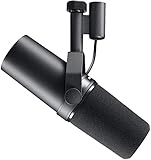
Buy the RØDE PodMic if you want exceptional XLR broadcast sound on a strict budget without needing expensive preamps to drive a clean signal. Buy the Shure SM7B if you are a professional creator or studio engineer seeking industry-standard vocal warmth and ultimate broadcast polish regardless of the higher cost.
RØDE PodMic vs Shure SM7B: Specs Side by Side
| Feature | RØDE PodMic | Shure SM7B |
|---|---|---|
| Price | $86 | $439 |
| Microphone Type | Cardioid Dynamic Broadcast | Dynamic Vocal Microphone |
| Connectivity | XLR | XLR |
| Primary Use | Podcasting & Streaming | Podcasting & Streaming |
| Polar Pattern | Cardioid | Cardioid |
| Included Accessories | Not stated | Not stated |
| Impedance | Not stated | Not stated |
| Frequency Response | Not stated | Not stated |
| Form Factor | Broadcast style | Broadcast style |
Where RØDE PodMic Wins
- Unbeatable Price Point: At $86, it offers staggering value for money, making high-quality XLR audio accessible to hobbyists and beginners who refuse to break the bank.
- Compact and Sleek Footprint: Its smaller, heavy-duty build takes up far less visual space on camera, making it much easier to position cleanly out of your main monitor view during live streams.
- Gain Friendliness: It requires significantly less punishing preamp gain compared to its high-end rival, meaning you can pair it with budget-friendly audio interfaces without instantly needing an inline signal booster.
Where Shure SM7B Wins
- Legendary Vocal Warmth: It delivers the unmistakable, rich, velvety broadcast tone that has made it the gold standard for top-tier podcasters and radio hosts worldwide.
- Exceptional Off-Axis Rejection: It features superb rejection of room reflections and background noises, wonderfully subduing loud mechanical keyboards, clicking mice, and untreated gaming rooms.
- Built-In Acoustic Suspension: Its robust internal air suspension and pop filtering effectively minimize mechanical desk rumble and harsh plosives right out of the box.
Real-World Use: Which One Fits You
The Aspiring Late-Night Streamer
If you spend your evenings playing competitive games while chatting with a tight-knit community, the RØDE PodMic is your ideal companion. It handles loud bursts of excitement cleanly, looks sharp on camera, and leaves plenty of room in your budget to upgrade other parts of your streaming rig like lighting or a better capture card.
The Full-Time Professional Podcaster
If your daily routine involves long-form interviews, sponsored reads, and building a high-end media brand, the Shure SM7B is the logical choice. Its rich frequency response flatters almost every human voice, giving you that polished, radio-ready texture that listeners immediately associate with top-tier professional production.
The Multi-PC Gaming Setup Creator
If you are managing a complex dual-PC streaming configuration with fans spinning and capture cards humming, the Shure SM7B excels at isolating your voice from background hardware noise. While it demands more gain from your interface, the noise suppression pay-off in a noisy gaming environment is well worth the extra tuning effort.
Price and Value
The RØDE PodMic sits at $86, while the Shure SM7B demands a much steeper investment at $439. That leaves a massive price difference of $353 between the two options. Whether that dramatic jump is justified depends entirely on your current hardware ecosystem and professional demands. For the vast majority of gamers and budding creators, the PodMic captures ninety percent of the broadcast performance at a fraction of the cost. However, if your livelihood depends on achieving that specific, buttery broadcast tone and you already own a high-end interface or preamp to power it, the Shure SM7B justifies its legendary status.
Final Recommendation
Go with the RØDE PodMic. It delivers incredible build quality, clear dynamic broadcast audio, and effortless interface pairing for less than a hundred dollars. The only condition under which you should skip it is if you are running a professional studio where clients expect the iconic look and legendary tone of the Shure SM7B, and you have the budget to support its heavy pre-amplification requirements.
FAQ
Do I need an audio interface for these microphones?
Yes, both of these microphones feature standard XLR connections, meaning they require an external audio interface or mixer with phantom power capability or clean gain to connect to your computer. They cannot plug directly into a standard USB port without additional hardware.
Will the Shure SM7B work with a cheap audio interface?
It will technically work, but budget audio interfaces often struggle to provide enough clean gain to drive the SM7B without introducing an audible hiss. Many users find they need to purchase an additional inline preamp booster to get the best performance out of it.
Is the RØDE PodMic heavy?
Yes, despite its smaller physical footprint, the PodMic is constructed from solid metal and carries a surprisingly hefty weight. You will want to ensure your boom arm or desktop stand has a strong enough spring tension or payload capacity to support it securely.
Can I use a standard desk boom arm with both models?
Both models feature built-in mounts or threading that easily attach to standard broadcast arms and microphone stands. Just keep in mind that the heavier Shure SM7B requires a sturdier arm to prevent drooping over time.
See also: our full roundup Best Dynamic Broadcast Microphones for Untreated Rooms.