
Our Top Picks




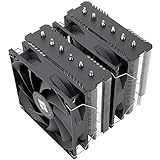
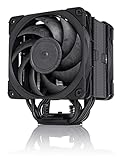
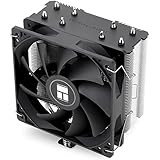
Top 3 picks at a glance
The Short Answer
When selecting a CPU cooler, the ideal RAM clearance is 40mm to 45mm (1.57 to 1.77 inches) for standard setups, and up to 55mm (2.17 inches) if you plan to use high-profile RGB memory kits. If your CPU cooler has a clearance of 32mm (1.26 inches) or less, you are strictly limited to low-profile RAM modules without heat spreaders.
RAM clearance refers to the physical gap between the base of your CPU cooler (where it contacts the processor) and the lowest hanging part of its heatsink or cooling fan that overhangs the memory slots. If your memory modules are taller than this gap, the cooler will physically collide with the RAM, preventing proper installation, causing motherboard flexing, or stopping the PC case from closing.
As an Amazon Associate we earn from qualifying purchases at no extra cost to you.

Standard Sizes
To help you plan your desktop setup or home office workstation, the table below outlines the standard heights of popular RAM profiles alongside the clearance characteristics of common CPU cooler designs.
| Hardware Component | Profile Type | Height / Clearance (Inches) | Height / Clearance (Centimeters) |
|---|---|---|---|
| Standard / Low-Profile RAM | Non-RGB / Bare PCB | 1.22 in – 1.34 in | 3.1 cm – 3.4 cm |
| Mid-Profile RAM | Standard Heat Spreader | 1.38 in – 1.57 in | 3.5 cm – 4.0 cm |
| High-Profile RAM | Tall RGB / Premium Heat Spreader | 1.61 in – 2.01 in | 4.1 cm – 5.1 cm |
| Budget Single-Tower Cooler | Slim / Offset Design | 1.45 in – 1.65 in | 3.7 cm – 4.2 cm |
| Dual-Tower Air Cooler | Standard Symmetric | 1.57 in – 1.73 in | 4.0 cm – 4.4 cm |
| Premium Dual-Tower Cooler | Stepped Fins / Adjustable Fans | 1.77 in – 2.13 in | 4.5 cm – 5.4 cm |
| Asymmetric Air Cooler | 100% RAM Clearance Offset | Infinite (No overhang) | Infinite (No overhang) |
How to Measure Your Space
Accurate spatial planning prevents installation headaches. Follow these steps to measure your RAM clearance and ensure a perfect fit for your computer system:
- Step 1: Identify Your RAM Height: Look up the technical specifications of your specific memory kit. Standard performance kits usually measure around 31mm to 34mm, while premium RGB kits often exceed 44mm. If the specification sheet is unavailable, use a digital caliper to measure from the bottom gold contacts of the RAM stick to the very top edge of the heat spreader.
- Step 2: Locate the CPU Cooler’s Clearance Rating: Manufacturers list “RAM clearance” or “recess height” on their technical spec sheets. This indicates the distance from the CPU contact plate to the bottom edge of the aluminum heatsink fins.
- Step 3: Account for Fan Placement: Remember that the cooling fan often clips lower than the metal heatsink itself. If a dual-tower cooler has a clearance of 42mm, but the 120mm front fan hangs 10mm lower than the metal fins, your actual functional clearance drops to 32mm unless you slide the fan upward on its mounting clips.
- Step 4: Check Chassis Width Limits: If you plan to raise the cooler’s front fan to clear tall RAM, you must add that extra height to the cooler’s total vertical dimension. Ensure your computer chassis has enough lateral depth to accommodate this taller configuration without pressing against the tempered glass side panel.
By Room or Use Case
The ideal balance between cooling performance, physical size, and memory clearance depends heavily on the primary function and design of your workspace.
Minimalist Home Office (Low-Profile & Budget-Friendly)
For a clean, quiet home office dedicated to productivity, writing, and light creative tasks, a compact single-tower cooler is the ideal choice. These coolers are lightweight, budget-friendly, and highly compatible with small workspaces. Budget-friendly single-tower options, ranging in price from $15 to $25, typically weigh under 1.5 pounds and handle thermal loads up to 150 watts. Because they utilize slim heatsinks and single 120mm fans, they naturally stay clear of the RAM zone entirely or offer a comfortable clearance of around 40mm. This setup pairs beautifully with standard, non-RGB low-profile memory modules, ensuring a quick installation with zero physical interference.
The Showpiece Gaming Desk (RGB & High-Performance Dual Towers)
If your desk is a visual showcase featuring custom lighting and premium hardware, you will likely opt for high-profile RGB RAM and a heavy-duty dual-tower cooler. High-performance dual-tower coolers, priced between $30 and $70, offer massive cooling capacities (often exceeding 220W TDP) but carry a larger physical footprint, weighing up to 2.5 pounds. To showcase your illuminated memory modules, look for dual-tower coolers that feature stepped cooling fins or recessed cutouts designed specifically for RAM clearance. Some premium models even incorporate customizable IPS display screens on the top cover, adding a high-tech focal point to your desktop layout while offering generous clearance of up to 45mm for stylish, tall memory kits.
The Professional Workstation (Maximized Capacity & Zero-Interference)
For heavy content creation, 3D rendering, or data analysis, maximizing system stability and memory capacity is crucial. These systems often require all four motherboard memory slots to be occupied, utilizing dense, high-capacity RAM kits. In this scenario, physical clearance must be absolute. Opt for a premium asymmetric tower cooler, which typically ranges from $100 to $130 and weighs around 2.7 pounds. These highly engineered coolers feature a slanted, offset heat pipe design that shifts the entire cooling tower away from the memory slots. This layout provides infinite RAM clearance, allowing you to install, upgrade, or swap memory modules of any height without ever needing to remove the CPU cooler.
Common Sizing Mistakes
Even experienced system builders can overlook minor clearance details. Avoid these common pitfalls when designing your computer setup:
- Assuming Liquid Coolers (AIOs) Have Zero Clearance Limits: While a liquid CPU block is highly compact, the radiator and fan assembly mounted to the top of your computer chassis can easily collide with high-profile RAM or large motherboard VRM heatsinks in compact cases.
- Overlooking the First Motherboard Slot: On many Mini-ITX and Micro-ATX motherboards, the first RAM slot sits incredibly close to the CPU socket. Symmetrical coolers with wide footprints will almost always block this first slot, restricting you to low-profile memory.
- Neglecting Fan Overhang adjustments: Many builders purchase a dual-tower cooler expecting to simply slide the front fan upward to clear their 50mm RGB RAM, only to discover that the raised fan now prevents the side panel of their computer case from closing.
- Ignoring Weight and Motherboard Flex: Massive air coolers weighing close to 3 pounds put significant physical stress on the motherboard. If you must adjust or offset fans to clear tall memory, ensure your motherboard is securely mounted to prevent long-term warping.
FAQ
Can I raise the fan on my CPU cooler to fit taller RAM?
Yes, most air coolers use adjustable metal wire clips or plastic brackets to secure the fans to the heatsink. You can slide the front fan upward along the fins to clear taller memory modules. However, this increases the total height of the CPU cooler, so you must verify that your PC case has enough lateral clearance to close properly with the raised fan.
What is the standard height of low-profile RAM?
Standard low-profile RAM modules generally measure between 31mm and 34mm (1.22 to 1.34 inches) in height. These modules either lack a decorative aluminum heat spreader or feature a very slim, flush-fitting metal shell, making them highly compatible with almost every air cooler on the market.
Do liquid coolers (AIOs) have RAM clearance issues?
Generally, liquid CPU coolers do not have RAM clearance issues at the CPU socket because the water block itself has a very small footprint. However, clearance issues can occur at the top of the PC case. If you mount a thick radiator and fan assembly to the top panel, it may overhang the top edge of the motherboard and collide with tall RAM modules.
Does RAM speed or capacity affect its physical height?
No, speed and capacity do not directly dictate the physical height of a memory stick. However, high-performance, high-speed kits generate more heat and are often marketed to gamers and enthusiasts. Because of this, manufacturers equip them with elaborate, tall aluminum heat spreaders and RGB light bars, which significantly increase their physical height. As we look ahead to 2026 PC builds, memory modules are incorporating larger onboard power management ICs (PMICs) and bulkier heatsinks, making careful clearance measurements more important than ever.
Related guides
- Best Gaming PC for Overwatch 2: Ten Prebuilts Matched to Your Monitor (2026)
- Best Gaming PC for Baldur’s Gate 3: Matching CPU, VRAM and Storage to the Game (2026)
- Best Gaming PC for Apex Legends: Which Listings Fit a High-Refresh Setup (2026)
- Best RTX 3060 Gaming PCs: Eight Prebuilt Listings Compared by CPU, RAM and Cooling (2026)









