Cord-cutters constantly hunt for ways to ditch monthly bills without losing access to local news, emergency broadcasts, and live sports. The allure of combining a traditional over-the-air (OTA) antenna with a whole-home network DVR is massive, especially as mainstream streaming platforms continue to hike their monthly prices. Tablo has positioned itself as a premier solution for capturing free broadcast signals and streaming them to various screens around the house without forcing users into a proprietary subscription model.
However, shopping for an OTA streaming DVR system involves more than just plugging a wire into the back of your television. Between understanding tuner counts, storage capacities, home network compatibility, and physical antenna placement, making the right choice requires looking past surface-level marketing. This guide breaks down the core elements that actually matter when evaluating a subscription-free Tablo setup so you can build a reliable, cost-effective entertainment ecosystem.
As an Amazon Associate we earn from qualifying purchases at no extra cost to you. Product prices and availability are accurate as of the date shown and are subject to change.

Understanding the True Meaning of Subscription-Free
The biggest selling point of modern Tablo hardware is the absence of a mandatory recurring guide data fee. Historically, many OTA DVR manufacturers required monthly or lifetime payments to populate the electronic program guide (EPG) with show names, descriptions, and scheduling options. When evaluating these devices, verify that the specific hardware model you select processes guide updates natively without a paywall. Subscription-free models save considerable money over the lifespan of the device, but you must ensure your setup matches your expectations for remote access and advanced scheduling features.
Tuner Count and Household Simultaneous Streams
One of the most critical hardware specs to evaluate is the number of internal ATSC tuners. Each tuner inside the box handles one live broadcast stream at a time. If you live in a multi-person household where one person wants to watch the nightly news in the living room while another records a prime-time drama in the bedroom, a single-tuner device will cause immediate conflicts. Assessing your household’s viewing habits helps determine whether a two-tuner or four-tuner configuration is necessary to prevent broadcast bottlenecking during peak viewing hours.
Internal Versus External Storage Management
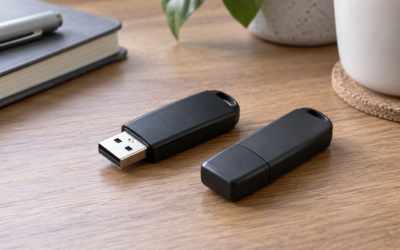
Recording live television consumes a significant amount of digital space, particularly if you capture high-definition broadcasts regularly. When choosing your setup, examine how the hardware handles recorded media storage. Some models come with built-in solid-state storage, while others require you to plug in an external USB hard drive or flash drive. If you prefer keeping hundreds of hours of classic movies and sports games archived, look for units that support expandable external storage rather than being permanently capped by small internal capacities.
Antenna Compatibility and Broadcast Signal Realities
A Tablo box does not magically pull television signals out of thin air by itself; it requires a physical OTA antenna to capture the radio frequencies broadcasted by local towers. When designing your system, factor in the cost and type of antenna you will need based on your geographic distance from local broadcast towers. Urban environments with close towers might only require a small indoor flat antenna, whereas rural locations often demand a large amplified outdoor rooftop array to feed a stable, uncompressed signal into your recording device.
Network Integration: Wi-Fi Capabilities Versus Ethernet
Because these devices transmit live and recorded video over your local area network (LAN) to smart TVs, streaming sticks, and mobile devices, network stability is paramount. While many modern Tablo units feature built-in wireless connectivity for flexible placement near a window or antenna drop, streaming uncompressed high-definition video packets can strain weak Wi-Fi routers. Whenever possible, prioritize hardwiring your DVR unit directly to your router using an Ethernet cable to eliminate stuttering, buffering, and dropped connection frames.
Client Device Support and Operating System Ecosystems
Before committing to an OTA streaming DVR, check which client applications are supported by your existing living room hardware. Tablo apps typically run smoothly on major streaming ecosystems like Roku, Amazon Fire TV, Apple TV, Android TV, and modern smart TV platforms. However, older streaming boxes or obscure operating systems may lack official application support or receive delayed software updates. Ensuring seamless compatibility across all your household screens prevents the frustration of having a great recording hub that you cannot easily access from your favorite television.
When to Spend More on Multi-Tuner Hardware
It can be tempting to purchase the cheapest entry-level hardware tier to maximize short-term savings, but upgrading to a higher-tier model often prevents future headaches. If your household frequently records overlapping shows, or if you want the flexibility to watch multiple live broadcasts simultaneously while recording another, spending extra upfront for a robust multi-tuner unit is well worth the investment. Evaluating your peak concurrency needs in 2026 ensures your hardware purchase scales gracefully as your entertainment habits evolve.
Related Guides
To explore more hardware configurations and maximize your cord-cutting setup, check out our comprehensive Best Tablo TV Review the Only Over the Air Antenna No Subscription resource for additional buying tips and setup strategies.
FAQ
Do I need an active internet connection to use a Tablo DVR?
An internet connection is generally required for initial setup, software updates, and downloading the electronic program guide data. However, once configured, the local streaming functionality can often handle basic local playback depending on the specific firmware version and client app capabilities.
Can I watch my recorded shows away from home without paying a fee?
Subscription-free remote streaming capabilities vary depending on the exact hardware generation and app updates. Modern subscription-free models usually allow out-of-home streaming to mobile devices as long as the base station remains powered on and connected to your home network.
What is the difference between ATSC 1.0 and ATSC 3.0 tuners?
ATSC 1.0 is the current standard used by the vast majority of local broadcast television stations across North America in high definition. ATSC 3.0, often marketed as NextGen TV, introduces support for 4K video streams and enhanced audio, though tuner availability and signal rollouts depend heavily on your local broadcast market.
How do I know which antenna style to buy for my location?
You should check online signal mapping tools that analyze your specific street address and calculate your distance, terrain obstacles, and compass headings toward local broadcast towers. This data helps you determine whether an indoor, attic, or outdoor antenna is required to feed a clean signal into your recording hardware.