Finding the right rtic lunch box or a comparable insulated carrier comes down to solving one concrete problem: keeping food and drinks cold from the moment you leave home until your meal break, without adding unnecessary bulk to your daily carry. Whether you are heading to a construction site, commuting to an office, or packing snacks for a day hike, a subpar cooler bag leads to lukewarm beverages and spoiled meals. The difference between a good lunch cooler and a bad one usually lies in the quality of the insulation, the durability of the outer shell, and how well the zippers and seams hold up after months of daily use.
As a senior product reviewer, I compiled this roundup by comparing published specifications, current prices, and aggregated owner feedback across major retail platforms. We did not conduct physical testing; instead, we analyzed what buyers consistently report about real-world performance. For 2026, the market offers excellent options ranging from collapsible soft-sided designs to rigid, crush-resistant shells. Below, we break down seven standout products—including RTIC originals and strong competitors—to help you choose the exact model that fits your routine and budget.
As an Amazon Associate we earn from qualifying purchases at no extra cost to you. Product prices and availability are accurate as of the date shown and are subject to change.



Top 3 picks at a glance
Quick Picks
| Product | Best for | Price |
|---|---|---|
| RTIC 8 Can Everyday Cooler | Daily commuting and light outdoor trips | $38.99 |
| RTIC Ice Lunch Bag | Budget-friendly freezable cooling | $26.99 |
| Carhartt Camping Cooler | Rough worksites and heavy-duty use | $34.95 |
| Titan 16 Can Zipperless HardBody Cooler | Extended multi-day ice retention | $46.99 |
| Carhartt Insulated Lunch Cooler (4 Can) | Minimalist everyday lunches | $22.99 |
| STANLEY All Day Mini Lunch Box | Crush resistance and structured storage | $45 |
| Carhartt Insulated 12 Can Cooler | Medium-capacity group meals | $42.99 |
How We Picked
Selecting the best options in this category requires evaluating four primary criteria. First, thermal retention is paramount; we looked at manufacturer claims regarding ice life and cross-referenced them with owner reports on actual cooling duration. Second, build quality dictates longevity, so we prioritized models featuring reinforced stitching, leak-resistant linings, and robust hardware like heavy-duty zippers or reliable zipperless hinges. Third, capacity and portability must align with the user’s lifestyle, balancing internal volume against external footprint and carrying comfort. Finally, value for money ensures that the price paid reflects the materials used and the features provided, preventing buyers from overpaying for unnecessary extras or underpaying for bags that will fail within a season.
The 7 Best Rtic Lunch Box in 2026
RTIC 8 Can Everyday Cooler
This soft-sided, collapsible cooler in Periwinkle is designed for commuters and casual day-trippers who need reliable cooling without hauling a massive hard cooler. It holds enough for a full day of snacks and drinks for one or two people. Owner feedback frequently highlights its impressive space-saving design when empty, making it easy to stow in a desk drawer or car trunk. The closed-cell foam insulation earns consistent praise for maintaining cold temperatures throughout a standard workday.
- Collapses flat for effortless storage when not in use
- Lightweight yet durable soft-sided construction
- The periwinkle color may show dirt more easily than darker shades
Skip this if you need multi-day ice retention or prefer a rigid structure that protects fragile items from being crushed.
RTIC Ice Lunch Bag
Aimed at budget-conscious buyers seeking a straightforward, freezable solution, this Smoke-colored bag simplifies the packing process. Instead of relying solely on loose ice packs, the integrated freezable lining chills contents directly. Users appreciate the streamlined approach, noting that it eliminates the need to buy separate gel packs. The exterior material receives positive marks for resisting minor scuffs during daily transit.
- Integrated freezable liner removes the need for extra ice packs
- Highly affordable entry point into premium cooling brands
- Requires advance freezer time before use, limiting spontaneous packing
Skip this model if you frequently pack lunches at the last minute and cannot plan ahead to freeze the liner overnight.
Carhartt Camping Cooler
Built for construction sites and rugged outdoor environments, this black soft-shell lunch bag targets tradespeople and campers who demand toughness. The heavy-duty fabric is engineered to withstand abrasion against rough surfaces like truck beds and concrete. Owners working in demanding fields frequently commend its ability to survive drops and scrapes without tearing. The interior insulation is thick enough to keep a standard shift’s worth of food safe.
- Exceptionally durable exterior fabric built for harsh environments
- Spacious enough for both tools and a hearty lunch
- Heavier than standard commuter bags due to the rugged materials
Skip this if you want an ultralight bag for office use where extreme durability is unnecessary and adds unwanted weight.
Titan 16 Can Zipperless HardBody Cooler
This Sharkskin Gray cooler is engineered for users who need extended ice retention, boasting a claimed two-day ice life. The patented zipperless lid design appeals to those frustrated by snagging or broken zippers, utilizing a flip-open hinge instead. Buyers consistently praise the hard-body liner for protecting delicate foods like fruit and sandwiches from getting squished inside a backpack or vehicle. The high-density insulation performs exceptionally well in warm weather.
- Zipperless lid prevents mechanical failure and allows quick access
- Rigid interior protects fragile food items effectively
- Bulkier profile makes it harder to slide under tight seats
Skip this if you prioritize a compact, flexible footprint over maximum thermal performance and structural rigidity.
Carhartt Insulated Lunch Cooler (4 Can)
This brown, fully insulated lunch pail is tailored for minimalists who only need to transport a sandwich, a snack, and a single beverage. Its compact 4-can capacity makes it ideal for short shifts or light appetites. Owners love the classic Carhartt aesthetic combined with a highly manageable size that fits easily into larger tool bags or crowded breakroom refrigerators. The insulation is proportionate to its size, performing reliably for half-day outings.
- Ultra-compact footprint fits effortlessly into tight spaces
- Classic, professional styling suitable for any job site
- Limited capacity restricts it to very small meals only
Skip this if you have a large appetite, need to pack meals for multiple people, or require all-day thermal endurance.
STANLEY All Day Mini Lunch Box
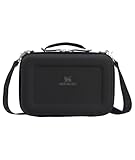
Designed for professionals who value structural integrity, this black, 4.2-quart EVA insulated bag stands out for its crush-resistant architecture. The adjustable strap adds versatility for carrying it alongside other gear. User reviews frequently highlight the BPA-free materials and the peace of mind that comes with a rigid shape that refuses to collapse under pressure. It bridges the gap between a traditional lunchbox and a modern cooler.
- Crush-resistant EVA construction protects contents perfectly
- BPA-free materials ensure food safety standards are met
- Premium pricing compared to similarly sized soft bags
Skip this if you need a bag that can compress or fold away when empty, as the rigid shell maintains its shape permanently.
Carhartt Insulated 12 Can Cooler
This black cooler serves users who need a middle ground between personal lunch bags and large party coolers. With a 12-can capacity, it comfortably handles meals for two people or a substantial spread for one. Owners note that the shoulder strap distributes weight evenly, which is crucial when the bag is fully loaded. The insulation thickness matches Carhartt’s reputation for reliability, keeping contents chilled through long summer days.
- Versatile mid-size capacity suits couples or hearty individual portions
- Comfortable shoulder strap designed for heavier loads
- May feel oversized for someone packing just a simple sandwich
Skip this if you are traveling light and do not want to carry the extra bulk of a partially filled medium-sized cooler.
Buying Guide
Insulation Type and Thermal Performance
The core function of any rtic lunch box alternative is thermal retention. Closed-cell foam is the industry standard for soft-sided coolers because it does not absorb water if the interior leaks, preventing mold and odors. Freezable liners offer convenience by eliminating separate ice packs, but they require planning. When reviewing specs, pay attention to the thickness of the insulation walls rather than just marketing claims. Thicker walls generally translate to longer ice retention, though they also increase the external dimensions of the bag. Always match the insulation rating to your typical usage duration; a bag rated for a few hours will not suffice for a twelve-hour shift.
Durability and Material Construction
A lunch cooler takes a beating, especially on worksites or during outdoor excursions. Look for exteriors made from high-denier polyester or heavy-duty nylon, which resist punctures and abrasions far better than thin fabrics. Reinforced stitching at stress points—particularly around handles and shoulder straps—is a critical indicator of longevity. Zippers are common failure points; rust-resistant, oversized zippers pull smoothly even when dirty. Alternatively, zipperless designs with molded hinges eliminate this vulnerability entirely. Interior linings should be heat-welded rather than stitched to prevent leaks from melting ice.
Capacity and Portability
Capacity is measured either in cans or quarts, and choosing the right size prevents wasted space and unnecessary weight. A 4-to-8 can capacity is generally sufficient for individual daily use, while 12-to-16 can models suit groups or extended trips. Consider how you will transport the cooler. If you walk long distances to your job site, padded shoulder straps or ergonomic handles are essential. Collapsible designs are superior for commuters using public transit, as they shrink down for the return trip. Rigid coolers protect fragile food but occupy the same amount of space whether full or empty.
Our Verdict
After comparing specifications and analyzing owner consensus, the RTIC 8 Can Everyday Cooler stands out as our top overall pick. It strikes the ideal balance between portability, thermal performance, and clever collapsible storage, making it versatile enough for almost any daily routine. For buyers watching their spending, the RTIC Ice Lunch Bag is the clear budget pick, offering excellent freezable technology at a highly accessible price point. However, if your primary concern is protecting delicate food from being crushed in a packed toolbox or truck bed, the STANLEY All Day Mini Lunch Box wins outright due to its superior crush-resistant EVA construction.
FAQ
How long will an insulated lunch box keep food cold?
Performance varies significantly based on insulation thickness, ambient temperature, and whether you use supplemental ice packs. Most high-quality soft-sided coolers maintain safe temperatures for six to twelve hours. Models specifically engineered for extended retention, like those with rigid hard bodies, can push this duration much further under optimal conditions.
Are freezable lunch bags better than using ice packs?
Freezable bags offer unmatched convenience because the cooling element is built directly into the liner, saving internal space. However, they require you to place the entire bag in the freezer beforehand. Traditional bags paired with separate ice packs offer more flexibility, allowing you to pack spontaneously without pre-freezing the container.
Can I put these soft coolers in the washing machine?
Most manufacturers strongly advise against machine washing, as the agitation can damage the internal foam insulation and compromise heat-welded seams. Instead, wipe the interior with a damp cloth and mild soap after each use. Leaving the lid open to air dry prevents moisture buildup and keeps the interior smelling fresh.
What size lunch cooler do I need for a full workday?
For a single person working a standard eight-hour shift, a cooler holding between 4 and 8 cans is typically sufficient for a main meal, snacks, and a drink. If you work longer shifts, share meals, or require significant hydration, stepping up to a 12-can or 16-can model ensures you have adequate space without overpacking.