A gaming headset sits at the center of your setup, yet the difference between a $30 model and a $110 model is often hard to parse from a spec sheet alone. Virtual surround sound, driver size, wireless protocol, and microphone quality all trade against one another depending on your platform and how you actually play. A competitive PC shooter demands low-latency wireless and accurate positional audio; a casual PS5 player might value comfort and a long battery over any of that.
This roundup compares eight current headsets using published specifications, listed prices, and aggregated owner feedback. The goal is to make the tradeoffs visible so you can match a headset to your real routine rather than its marketing bullet points. We looked across wired and wireless connectivity, multi-platform compatibility, battery endurance, and comfort design — the four axes that separate a headset you will actually wear for a full session from one that collects dust after two weeks.
As an Amazon Associate we earn from qualifying purchases at no extra cost to you. Product prices and availability are accurate as of the date shown and are subject to change.



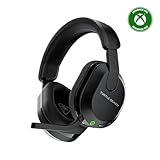

Top 3 picks at a glance
Quick Picks
| Product | Best for | Price |
|---|---|---|
| Razer BlackShark V2 X (Multi-platform) | Wired surround on a budget | $39.79 |
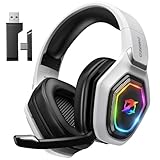
| Ozeino Wireless | PS5 wireless at the lowest price | $29.99 |
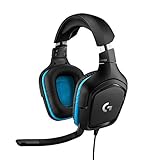
| Logitech G432 | Simple wired setup with software support | $49.01 |
| Razer BlackShark V3 X HyperSpeed | Competitive PC wireless | $71.99 |
| Razer BlackShark V2 X Xbox | Xbox players avoiding adapters | $33.99 |
| Razer BlackShark V2 X PlayStation | PlayStation on a budget | $31.99 |
| Turtle Beach Stealth 600 | Cross-platform wireless convenience | $109 |
| EKSA 2.4GHz Wireless | Maximum battery life | n/a |
How We Picked
We evaluated these headsets against four criteria that most directly shape daily use. First, connectivity: whether the headset pairs cleanly with your primary platform and whether wireless latency is suitable for competitive play. Second, audio architecture: driver size, surround processing, and whether those specs translate to positional clarity in games. Third, endurance and comfort for wireless models — published battery figures and owner-reported fit over multi-hour sessions. Fourth, value relative to price: what you actually get at each tier versus what a mid-range model omits.
The 8 Best Gaming Headset Features in 2026
Razer BlackShark V2 X (Multi-platform)
The BlackShark V2 X remains the easiest recommendation for anyone who wants 7.1 virtual surround on PC, PS4, PS5, or Switch without crossing the $40 line. Its 50mm drivers push enough low-end weight to make explosions feel present while keeping midrange detail for footsteps and voice lines. The memory foam cushion distributes weight evenly, which owners consistently cite as the reason they forget they are wearing it. One recurring complaint is the lack of a built-in USB sound card — surround processing leans entirely on your device, so laptops without a dedicated codec will output stereo only. Skip it if your setup has no 3.5mm jack or if you need Xbox compatibility; the dedicated Xbox variant costs less.
Ozeino Wireless
At $29.99, the Ozeino is the cheapest wireless option here that still advertises lossless audio and claims a 40-hour battery. For PS5 and Switch players who want to eliminate cable clutter on a minimal budget, the value proposition is hard to argue with. Owner feedback highlights surprisingly clear voice chat for the price bracket. The main tradeoff is build quality: reviewers note the headband cushion is thinner than what Razer or Logitech provide at similar or lower costs, which can create pressure points after two or three hours. Skip it if comfort during marathon sessions is a priority or if you need Bluetooth passthrough for mobile alongside your console connection.
Logitech G432
The G432 targets players who value brand support and software depth over raw spec sheets. Logitech’s G HUB suite offers granular EQ, mic monitoring, and surround toggles that cheaper competitors cannot match. The flip-to-mute boom mic is a small detail that eliminates accidental transmissions during stream calls. At $49.01, however, it underperforms on two fronts: it ships without 7.1 surround (DTS Headphone:X requires a paid license add-on) and the wired-only design feels dated next to wireless options costing less. Skip it if you want surround sound out of the box or if wireless freedom matters for your setup.
Razer BlackShark V3 X HyperSpeed
This headset exists for one specific player: the PC competitive gamer who refuses a wire but demands latency indistinguishable from one. Razer’s HyperSpeed wireless protocol is engineered for that niche, and published specs place it in the same low-latency tier as models costing twice as much. The V2 comfort chassis carries forward, so the memory foam fit you expect from Razer’s budget line remains intact. The obvious limitation is platform: this is PC-only, with no console pairing mode and no Bluetooth fallback. Skip it if you also play on PS5 or Xbox, or if you dislike managing a dedicated USB wireless adapter alongside other peripherals.
Razer BlackShark V2 X Xbox
Same 50mm drivers, same 7.1 surround, same memory foam cushion — but tuned and certified for Xbox without adapter friction. At $33.99 it is also the second-cheapest V2 X variant, undercutting the multi-platform model by $6. The console-specific tuning applies an EQ profile optimized for Xbox’s audio pipeline, which owners describe as slightly warmer than the PC version. The tradeoff is versatility: cross-plugging into a PS5 or PC works physically via 3.5mm, but the sound signature will feel unbalanced without manual adjustment. Skip it if you hop between Xbox and PlayStation regularly and want a single headset that sounds correct on both.
Razer BlackShark V2 X Wired PlayStation
At $31.99, this is the absolute floor for 7.1 surround gaming on PS4 or PS5 without dongles, batteries, or adapters. The 3.5mm jack plugs directly into the DualSense, and the short cable keeps things tidy at a desk or couch setup. Owners report that the PlayStation variant ships with fewer accessories than the multi-platform model — some units omit the braided cable extension or the mic pop filter. If you need those extras, the $39.79 version includes them. Skip it if you game on both PlayStation and PC and want a single headset without swapping profiles or cables.
Turtle Beach Stealth 600
The Stealth 600 earns its $109 price by doing what no other headset here does: wireless on Xbox, PS5, and PC from one unit, plus a mobile passthrough option. For households where multiple platforms are in play or for players who want a single wireless headset that handles everything, that cross-platform coverage eliminates adapter juggling. Turtle Beach’s Superhuman Hearing EQ mode is well-regarded for boosting footstep clarity in shooters. The con is audio fidelity: owners comparing it to the Razer BlackShark V2 X note the Turtle Beach sounds flatter in the low end despite costing nearly three times as much. Skip it if you only game on one platform and care more about sound quality than convenience.
EKSA 2.4GHz Wireless
The EKSA pairs a 2.4GHz wireless link with Bluetooth, enabling simultaneous connections for game audio on one channel and voice chat on a phone or tablet on the other. Its published 52-hour battery exceeds every other wireless model here by a wide margin, which suits players who forget to charge. USB and Type-C connectors are included, and noise cancellation on the microphone is listed as a hardware feature rather than a software toggle. The primary issue is trust: no listed price makes value assessment impossible, and owner reports on long-term durability are mixed. Skip it if you need warranty-backed support or a brand you can verify against your retailer’s return policy.
Buying Guide
Connectivity: Wired, Wireless, or Hybrid
Wired headsets via 3.5mm remain the simplest choice — no pairing, no charging, no latency concerns. They work on any device with a headphone jack, though some newer phones and controllers have dropped it, forcing you to carry an adapter. Wireless headsets fall into two tiers: Bluetooth, which is convenient but introduces perceptible latency in fast-paced games, and dedicated RF protocols like Razer’s HyperSpeed or standard 2.4GHz dongle links, which are effectively instant. If you play competitive shooters or fighting games on PC or console, prioritize RF wireless or wired; reserve Bluetooth for casual listening and mobile chat.
Surround Sound and What It Actually Adds
Virtual 7.1 surround in a gaming headset does not mean seven physical drivers; it means software or firmware that processes two-channel audio to simulate directional placement. The result can help you pinpoint footsteps or gunfire in supported titles, but the effect degrades quickly in games without proper spatial audio support. What matters more than the label is driver size and tuning. A 50mm driver tuned for clarity in the midrange (where footsteps and voice lines live) will outperform a poorly tuned 40mm driver marketed as “surround.” Check owner reviews for specific game titles rather than trusting the surround label alone.
Battery Life and Comfort for Long Sessions
Published battery figures assume moderate volume with no RGB or mic monitoring active. Real-world use typically lands 20 to 40 percent below the advertised number. A headset rated at 40 hours may deliver 25 to 30 in daily use — still plenty for most players, but worth knowing if you are comparing it to a 52-hour model. Comfort is harder to evaluate from specs alone, but weight, ear cushion material, and clamping force are the three factors that determine whether a headset becomes fatiguing after two hours. Memory foam over synthetic leather is the most common combination in this price range and generally scores well on long-session owner reports.
Our Verdict
The Razer BlackShark V3 X HyperSpeed is the top pick for PC players who want wireless with competitive-grade latency and Razer’s proven comfort design. For budget buyers, the Razer BlackShark V2 X Wired PlayStation at $31.99 delivers 7.1 surround on console with zero adapter or battery overhead. The Turtle Beach Stealth 600 wins its own niche: if you need a single wireless headset that covers Xbox, PS5, and PC without switching devices, no other option here offers that breadth at any price.
FAQ
Do I need a sound card for 7.1 surround on a gaming headset?
It depends on the headset. Models with a USB connector and built-in processing (like the Razer BlackShark V2 Pro line) handle surround internally. Headsets that connect via 3.5mm, including most budget options here, rely on your motherboard or console to deliver the spatial processing. Check whether your platform supports virtual surround before assuming the headset will provide it on its own.
Is wireless latency noticeable in competitive games?
With dedicated RF or proprietary protocols like Razer HyperSpeed or 2.4GHz dongle links, latency is typically below the threshold of human perception in fast-paced titles. Standard Bluetooth, however, introduces delays of 100 to 200 milliseconds that are clearly audible during competitive play. If you play ranked shooters or fighting games, stick with wired or RF wireless.
Can I use a console-specific headset on PC?
Most console headsets connect to PC via a 3.5mm jack without issue, but the tuning and any proprietary software features may not carry over. The Xbox-specific V2 X variant, for example, will physically connect to a PC but its EQ profile is optimized for Xbox’s audio pipeline, so you may want to flatten or adjust settings manually for best results.
How long should a gaming headset last?
With moderate use, expect three to five years before ear cushion degradation, headband fatigue, or cable wear becomes a problem. Wireless models add battery aging to the equation, meaning charge capacity will noticeably decline after two to three years of regular cycling. Replacing cushions is inexpensive on most brands, so treat a worn headset as a cushion replacement rather than a full upgrade decision.